July 20, 2026
How Overtraining Leads to Injuries (And How to Avoid It)
Overtraining injuries are common among athletes and active adults who are trying to do the right thing.
They train consistently. They push hard. They follow a program. They want to get stronger, faster, leaner, more competitive, or more prepared for their sport. But somewhere along the way, progress starts to feel different.
Workouts feel harder than they should. Soreness lingers longer. A small ache keeps returning. Performance starts to dip. Motivation drops. Sleep gets worse. The body feels like it is working harder but improving less.
That is often when overtraining becomes a problem.
Overtraining injuries do not usually happen because someone trained hard once. They happen when training stress builds faster than the body can recover and adapt. The issue is not hard work itself. The issue is when intensity, volume, frequency, sport demands, and life stress exceed the body’s current capacity.
In this article, we will break down how overtraining leads to injuries, what warning signs to watch for, which injuries are commonly linked to overtraining, and how athletes and active adults can train hard without constantly breaking down.
What Overtraining Really Means
Overtraining is often used to describe any period of hard training, but that is not entirely accurate.
Training hard is not the same as overtraining.
A good training program should challenge the body. Strength, speed, endurance, and performance all improve when the body is exposed to stress and then given enough time and resources to adapt.
That process is called adaptation.
The problem starts when the stress is too high, too frequent, or too poorly managed for the body to recover from.
Overtraining can happen when there is too much:
Training volume
Training intensity
Training frequency
Sport competition
Skill work
Conditioning
Strength training
Life stress
Travel
Lack of sleep
Insufficient recovery
In other words, overtraining is not only about the workout.
It is about the total stress placed on the body and whether the body has enough recovery capacity to handle it.
Overtraining vs Overreaching
It is also helpful to understand the difference between overreaching and overtraining.
Overreaching is a short-term increase in training stress that may temporarily reduce performance but can lead to improvement when followed by proper recovery. This can be a normal part of training.
For example, an athlete may have a harder training block, feel more fatigued for a week, then recover and come back stronger.
Overtraining is more serious. It happens when stress accumulates for too long without enough recovery. Performance may decline for weeks or months, motivation may drop, sleep may suffer, and injuries may start appearing more frequently.
Most active adults and athletes are not dealing with true long-term overtraining syndrome. More commonly, they are dealing with poor load management, under-recovery, or repeated overreaching that never gets balanced out.
Either way, the body eventually starts sending signals.
How Overtraining Leads to Injuries
To understand how overtraining leads to injuries, it helps to think about stress and capacity.
Every tissue in the body has a current capacity. Muscles, tendons, joints, bones, ligaments, and connective tissues can all tolerate a certain amount of stress before they become irritated.
Training is meant to increase that capacity over time.
But if the stress rises faster than the body can adapt, the system starts to break down.
Stress Exceeds Tissue Capacity
Many overtraining injuries happen because a tissue is asked to do more than it is currently prepared to handle.
This might happen when a runner increases mileage too quickly, a lifter adds too much volume, a baseball player throws too many days in a row, or a field athlete stacks intense practices, games, and conditioning without recovery.
At first, the body may compensate. But over time, tissues can become irritated.
Tendons may become painful. Muscles may strain. Bones may develop stress reactions. Joints may become inflamed. Old injuries may flare.
The problem is not always one workout. It is the accumulation of stress.
Recovery Cannot Keep Up
Training creates stress. Recovery allows adaptation.
If recovery is not sufficient, the body cannot rebuild as effectively.
Poor sleep, inadequate nutrition, high stress, lack of rest days, and constant high-intensity training can all reduce the body’s ability to recover.
When recovery falls behind, even normal training loads may start to feel excessive.
This is why an athlete may handle a certain workout well during one season but struggle with the same workload during a stressful month, after poor sleep, or during a heavy competition schedule.
Fatigue Changes Mechanics
Fatigue does not only make training feel harder. It changes how the body moves.
When athletes are tired, they often lose control, timing, coordination, and movement quality.
This can show up as:
Knees collapsing during landing or squatting
Loss of trunk control during running or cutting
Poor shoulder mechanics during throwing or pressing
Shortened stride or altered running form
Reduced balance and reaction time
Less control during deceleration
When mechanics break down under fatigue, certain tissues may take on extra stress.
Over time, this can contribute to pain or injury.
Pain Starts as a Warning Sign
Pain is often the body’s way of asking for a change.
In the early stages, overtraining injuries may feel minor. A tendon feels stiff in the morning. A knee aches after practice. A shoulder feels heavy after throwing. A back feels tight after lifting. A shin feels sore after running.
These early signals are easy to ignore because they may warm up during activity.
But if symptoms keep returning, linger longer, or worsen over time, the body is likely telling you that the current workload is not being tolerated.
Common Overtraining Injuries
Overtraining injuries can affect many areas of the body. The exact injury depends on the sport, training style, movement patterns, and tissues being stressed most often.
Here are some of the most common.
Tendon Pain
Tendons are especially sensitive to sudden changes in load.
Common examples include Achilles tendinopathy, patellar tendon pain, hamstring tendon irritation, rotator cuff irritation, and elbow tendon pain.
Tendon pain often develops when an athlete adds too much intensity, speed, jumping, sprinting, lifting, or throwing before the tendon has adapted.
Stress Reactions and Stress Fractures
Bones adapt to loading, but they need enough recovery time.
When repetitive impact exceeds the bone’s ability to remodel and recover, stress reactions or stress fractures can develop.
These are more common in runners, field athletes, dancers, and athletes who suddenly increase mileage, impact, or training volume.
Localized bone pain that worsens with impact should be taken seriously.
Muscle Strains
Muscle strains can occur when muscles are overloaded, fatigued, or asked to produce force faster than they are prepared for.
Hamstring strains, calf strains, quad strains, and groin strains are common in athletes who sprint, cut, jump, or change direction.
Fatigue, poor strength, inadequate warm-up, and rapid training spikes can all contribute.
Shin Splints
Shin pain often appears when running volume, speed work, hard surfaces, or impact exposure increases too quickly.
It may also be influenced by calf capacity, foot strength, training shoes, running mechanics, and recovery.
Runner’s Knee
Runner’s knee often develops when the knee is exposed to more repeated stress than it can handle.
This may come from mileage increases, hills, speed work, strength deficits, hip control issues, or changes in running form.
Achilles Irritation
The Achilles tendon handles high loads during running, jumping, sprinting, and cutting.
Overtraining can irritate the Achilles when intensity or volume increases too quickly, especially with hills, speed work, plyometrics, or court sports.
Shoulder Pain
Shoulder pain can develop when pressing, throwing, swimming, serving, or overhead training volume exceeds what the shoulder can tolerate.
This is especially common when rotator cuff strength, scapular control, rib cage mobility, or recovery are lacking.
Low Back Pain
Low back pain can appear when athletes repeatedly train through fatigue, lack trunk control, overload too quickly, or compensate for hip or thoracic mobility limitations.
It can also show up when lifting volume, running volume, or rotational sport demands increase faster than the body can adapt.
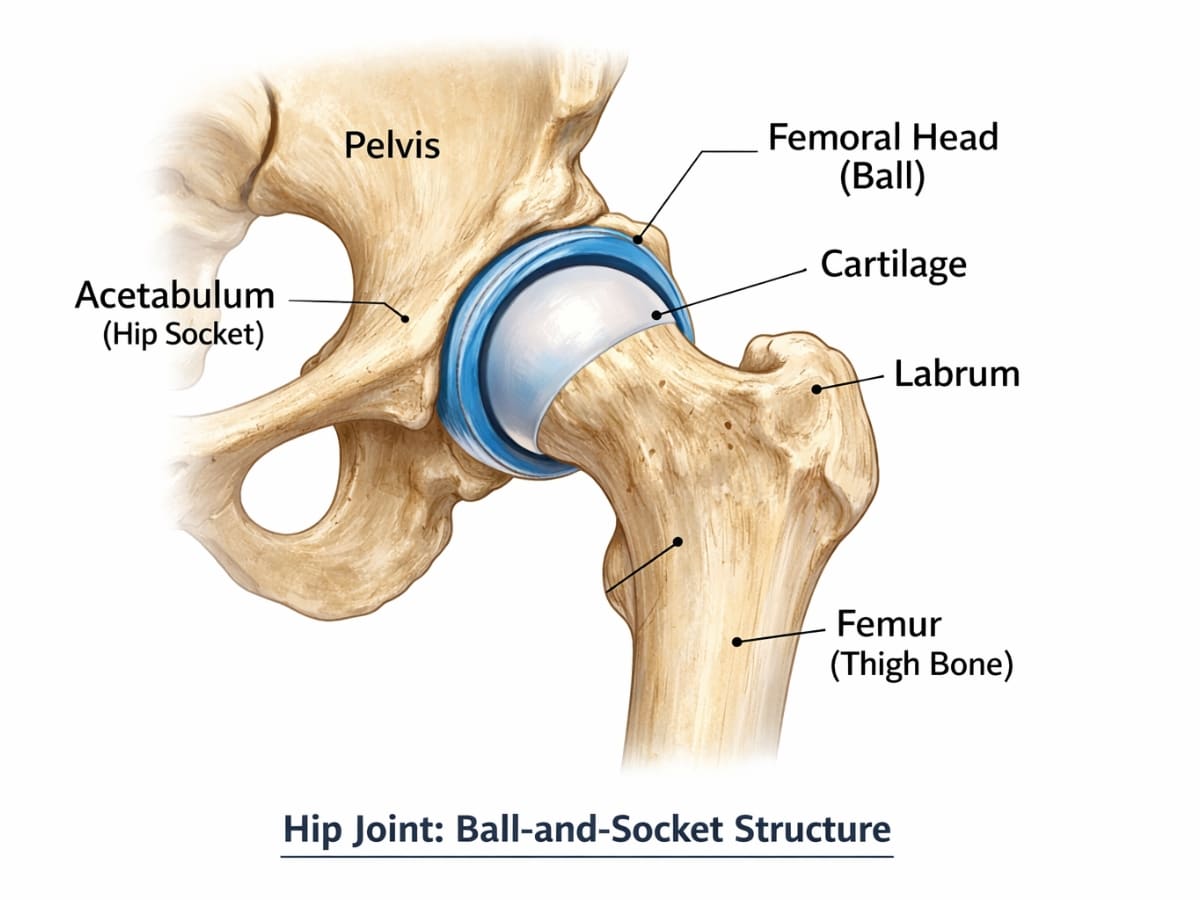
Hip Pain
Hip pain may develop from repeated running, squatting, cutting, skating, or rotational demands.
Overtraining can expose mobility limitations, strength deficits, or movement patterns that the body can tolerate in small doses but not under repeated stress.
Warning Signs of Overtraining
Overtraining injuries rarely appear out of nowhere. The body often gives warning signs first.
Recognizing these signs early can help athletes adjust before pain becomes a bigger problem.
Persistent Soreness
Some soreness after hard training is normal.
But soreness that lasts longer than usual, shows up after every workout, or affects movement quality may be a sign that recovery is not keeping up.
Declining Performance
If performance drops despite consistent training, fatigue may be accumulating.
This can look like slower running paces, lower lifting numbers, reduced jump height, poor practice quality, or decreased sport performance.
Poor Sleep
Overtraining can interfere with sleep, and poor sleep can make recovery worse.
This creates a difficult cycle. The athlete trains hard, sleeps poorly, recovers less, feels worse, and continues pushing.
Irritability or Low Motivation
Training stress affects more than muscles.
When the body is under-recovered, athletes may feel irritable, unmotivated, anxious, or mentally burned out.
This is especially common when training becomes something the athlete feels they have to survive rather than something they can build from.
Recurring Pain
Recurring pain is one of the clearest warning signs.
If the same knee, shoulder, Achilles, hip, back, or shin keeps flaring up, the issue may be more than a random ache.
The body may be struggling to tolerate the current workload.
Elevated Fatigue
Fatigue that does not match the workout is worth paying attention to.
If warm-ups feel unusually hard, normal workouts feel draining, or daily energy is consistently low, recovery may be lagging.
Loss of Strength or Speed
When the nervous system and muscles are under-recovered, strength and speed may decrease.
An athlete may feel flat, slow, weak, heavy, or disconnected.
Pain That Warms Up, Then Returns Worse Later
This is common with overuse injuries.
A tendon, joint, or muscle may feel stiff at first, improve during activity, then hurt more later that day or the next morning.
This pattern often means the tissue is being loaded beyond its current capacity.
Why Athletes Ignore Overtraining Signs
Most athletes do not ignore symptoms because they do not care. They ignore symptoms because they care a lot.
They care about performance, competition, progress, teammates, coaches, scholarships, goals, and identity.
That pressure can make it difficult to back off.
Fear of Losing Progress
Many athletes worry that taking a rest day or reducing volume will make them fall behind.
But recovery does not erase progress. Recovery allows progress to happen.
Training without recovery is not discipline. It is often a path toward breakdown.
Competition Pressure
Games, tournaments, races, showcases, and tryouts create pressure to keep going even when the body is asking for a break.
This is especially common in youth sports, travel sports, and competitive training environments.
The “No Days Off” Mindset
The idea that serious athletes never rest is harmful.
High-level athletes do not avoid recovery. They plan it.
Rest, deloads, sleep, nutrition, and smart programming are not signs of weakness. They are part of performance.
Confusing Soreness With Progress
Soreness can happen after productive training, but it is not the goal.
If an athlete is constantly sore, constantly tired, and constantly dealing with pain, the training plan may not be building resilience. It may be exceeding capacity.
How to Avoid Overtraining Injuries
Avoiding overtraining injuries does not mean training easy all the time.
It means balancing stress and recovery so the body can adapt.
Progress Gradually
The body adapts best when training stress increases gradually.
Big jumps in mileage, weight, volume, intensity, or practice time increase injury risk because tissues have not had time to prepare.
A better approach is to build slowly and monitor how the body responds.
Use Deload Weeks
Deload weeks reduce training stress temporarily so the body can recover and adapt.
This does not mean doing nothing. It means lowering volume, intensity, or frequency for a planned period.
Deloads are especially useful after hard training blocks, tournaments, races, strength phases, or periods of high stress.
Prioritize Sleep
Sleep is one of the most important recovery tools.
Poor sleep reduces recovery capacity, increases fatigue, and can make pain feel more intense.
If an athlete is training hard but sleeping poorly, recovery will eventually become a limiting factor.
Build Strength
Strength training helps increase the body’s capacity to tolerate stress.
Strong muscles, tendons, and movement patterns help athletes absorb force, control position, and handle sport demands more effectively.
Manage Intensity
Not every session should be all-out.
A balanced program includes hard days, moderate days, easy days, skill days, and recovery days.
If every workout is treated like a test, the body may not have enough room to adapt.
Track Symptoms
Athletes should pay attention to soreness, pain, sleep, energy, mood, and performance.
A simple training log can help identify patterns before injuries become more serious.
Useful things to track include:
Training volume
Training intensity
Sleep quality
Soreness
Pain location
Energy level
Performance changes
Recovery days
Respect Recovery Days
Recovery days are part of training.
They help the body rebuild and prepare for future sessions. Skipping recovery repeatedly may feel productive in the short term, but it can limit long-term progress.
Adjust Training Around Life Stress
The body does not separate training stress from life stress.
School, work, travel, family stress, poor sleep, and emotional stress all affect recovery capacity.
If life stress is high, training may need to be adjusted temporarily.
Use Cross-Training Wisely
Cross-training can be helpful, but it should not become extra stress piled on top of an already overloaded body.
For example, a runner with shin pain may benefit from cycling or swimming temporarily. But if cross-training becomes another high-intensity session every day, recovery may still suffer.
What to Do If You Think You Are Overtrained
If you suspect overtraining is contributing to pain or performance decline, the first step is not panic.
The first step is adjustment.
Reduce Load Temporarily
You may need to reduce training volume, intensity, frequency, or impact for a period of time.
This does not always mean stopping everything. It means lowering the stress enough for the body to recover.
Keep Light Movement
Light movement can support recovery without adding excessive stress.
Walking, easy cycling, mobility work, and low-intensity strength training may be appropriate depending on symptoms.
Assess Pain Patterns
Pay attention to when pain appears, what makes it worse, and how long it lasts afterward.
Important questions include:
Does pain worsen during activity?
Does it linger after training?
Does it affect normal movement?
Is it sharp or localized?
Does it keep returning in the same place?
These patterns can help determine whether the issue is normal fatigue, overuse irritation, or something that needs evaluation.
Review Recent Training Changes
Look back at the past two to six weeks.
Did mileage increase? Did strength volume jump? Did you add speed work, hills, tournaments, practices, classes, or new exercises? Did sleep get worse? Did life stress increase?
Overtraining injuries often make more sense when you look at the full context.
Rebuild Gradually
Once symptoms calm down, return to training gradually.
Going straight back to the previous workload is one of the most common reasons symptoms return.
A better plan rebuilds volume, intensity, and frequency step by step.
When Physical Therapy Helps
Physical therapy can be helpful when overtraining injuries keep returning or when an athlete is unsure how to adjust training safely.
It may be time to get assessed if:
Pain keeps coming back in the same area
Training repeatedly causes flare-ups
Pain changes movement mechanics
You cannot progress without symptoms
You are unsure whether to rest, modify, or continue
You need help returning to sport or training
You have stopped training but symptoms return when you restart
A physical therapist can help identify whether the issue is related to mobility, strength, tissue capacity, training load, recovery, movement mechanics, or a combination of factors.
The goal is not just to stop activity. The goal is to build a plan that helps the body tolerate activity again.
The Bottom Line on Overtraining Injuries
Overtraining injuries happen when training stress exceeds recovery and tissue capacity.
The issue is not hard training itself. The issue is when the body is exposed to more volume, intensity, frequency, or life stress than it can adapt to.
Warning signs often appear before a true injury develops. Persistent soreness, declining performance, poor sleep, recurring pain, elevated fatigue, and movement changes are all signals that recovery may not be keeping up.
The best way to avoid overtraining injuries is to train hard and recover intelligently.
That means progressing gradually, using deloads, prioritizing sleep, building strength, managing intensity, respecting recovery days, and adjusting training when the body starts sending warning signs.
You do not need to stop pushing yourself. You need to make sure your body has the capacity to handle the push.
Need Help With Training-Related Pain?
At Next Level Physical Therapy, we help athletes and active adults recover from overtraining injuries by identifying the deeper movement, strength, workload, and recovery factors contributing to pain.
Our approach goes beyond telling you to rest. We help you understand what your body can currently tolerate, what needs to improve, and how to build back toward training with confidence.
If recurring pain, fatigue, or training-related flare-ups are limiting your progress, our team can help guide the process.
Request an appointment here to learn more about our movement-based approach to physical therapy, recovery, and injury prevention.
Read More