

Back pain can be frustrating enough the first time it shows up.
But for many active adults, the most frustrating part is when the pain starts to improve, life begins to feel normal again, and then the symptoms come back.
You may return to the gym, start running again, spend a long day sitting at work, play a round of golf, do yardwork, or simply move more than you have in a few weeks. Suddenly, the same familiar ache, stiffness, or sharp pain returns.
That can make it feel like you are back at square one.
But that is not always what is happening.
One of the biggest reasons back pain comes back after feeling better is that symptom relief often happens before full recovery. Pain may decrease while strength, mobility, movement control, and load tolerance are still rebuilding.
In other words, feeling better and being fully prepared for normal activity are not always the same thing.
This is especially important for active adults who want to get back to lifting, running, golf, sports, workouts, travel, yardwork, and everyday activity. If the body is not ready for the amount of stress being placed on it, symptoms may return even if things seemed to be improving.
In this article, we will break down why back pain comes back after you start feeling better, what may still be missing from recovery, what to do when symptoms return, and how to reduce future flare-ups.
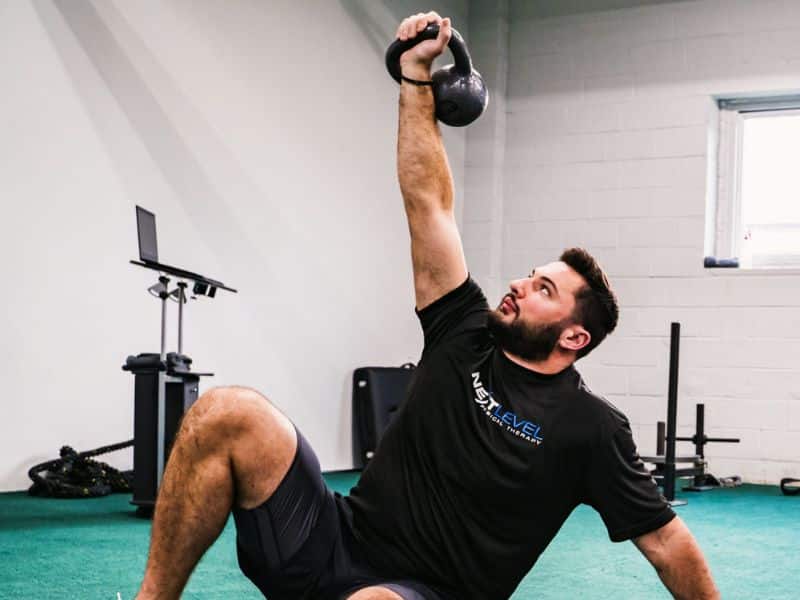
Why Back Pain Can Return Even When You Thought It Was Gone
Back pain can improve quickly, especially when the irritated area is given time to calm down.
That can happen after:
- Reducing activity
- Taking a few days off from training
- Sleeping better
- Using heat or ice
- Changing positions more often
- Doing light mobility work
- Taking medication
- Avoiding movements that were aggravating symptoms
All of those things can help reduce irritation.
The problem is that reducing pain does not automatically restore everything the back needs to handle normal activity.
You may feel better before you have fully rebuilt:
- Strength
- Endurance
- Mobility
- Movement confidence
- Load tolerance
- Coordination
- Work capacity
- Sport-specific readiness
That creates a gap.
You feel better, so you naturally start doing more. But if your activity level increases faster than your body is ready for, symptoms can return.
This does not always mean the original injury came back or that you caused new damage.
Often, it means the body was asked to do more than it had rebuilt the capacity to handle.
Symptom Relief Is Not the Same as Full Recovery
This distinction is one of the most important things to understand about recurring back pain.
Pain is only one part of recovery.
It is possible to have less pain while still having strength deficits, limited mobility, poor endurance, or low tolerance for certain movements.
For example, you may be able to:
- Walk around the house without pain
- Sit through most of the workday
- Sleep comfortably
- Climb stairs
- Do light chores
But that does not necessarily mean you are ready to:
- Deadlift heavy
- Run five miles
- Play three hours of pickleball
- Golf 18 holes
- Move furniture
- Spend a weekend doing yardwork
- Return to a full CrossFit class
Daily activity and higher-level activity place very different demands on the body.
If your rehab stops as soon as basic daily life feels better, you may never fully prepare for the activities that originally exposed the problem.
You Returned to Activity Too Quickly
One of the most common reasons back pain comes back after feeling better is returning to activity too quickly.
This is understandable.
If you have been dealing with pain, you probably want to get back to normal as soon as possible. Once symptoms decrease, it is tempting to jump right back into the same workouts, mileage, sports, or daily demands you were doing before.
But the body may need a gradual ramp-up.
A common pattern looks like this:
- Back pain starts.
- You reduce activity.
- Pain improves.
- You feel almost normal.
- You return to your old training level immediately.
- Symptoms flare again.
The issue may not be the activity itself.
The issue may be how quickly the workload increased.
Common Workload Spikes
Back pain may return after:
- Returning to heavy lifting
- Doing too much volume in one workout
- Running longer than you have recently
- Playing multiple games or matches
- Doing more yardwork than usual
- Traveling and sitting for long periods
- Returning to a sport tournament
- Trying a new exercise program
- Adding more training days
Again, none of these activities are automatically bad.
The problem is often the jump in demand.
A body that has been doing less for several weeks may not immediately tolerate the same workload it handled before pain started.
You Stopped Rehab When the Pain Improved
This is another common reason symptoms return.
Early rehab often focuses on helping pain calm down.
That may include mobility work, low-load exercises, activity modification, walking, breathing, trunk control, and finding movements that feel comfortable.
Those early steps are important.
But they are not usually the finish line.
Later rehab should help rebuild:
- Strength
- Endurance
- Loaded movement
- Confidence
- Work capacity
- Sport-specific demands
- Tolerance for bending, lifting, running, and rotation
If you stop rehab as soon as pain improves, you may never reach the later stages.
That can leave you feeling better but underprepared.
Then, when normal activity returns, the same symptoms may show up again.
You Never Rebuilt Enough Strength
Strength is one of the most important parts of long-term back pain recovery.
That does not mean every person with back pain needs to become a powerlifter.
It means the body needs enough strength to tolerate the demands of daily life and the activities you care about.
Back pain rehab may need to include strength in areas such as:
- Trunk
- Hips
- Glutes
- Hamstrings
- Quads
- Posterior chain
- Upper back
- Single-leg control
It may also include getting comfortable with loaded movement again.
That can mean:
- Squats
- Deadlift variations
- Split squats
- Step-ups
- Carries
- Rows
- Hinges
- Rotational work
If rehab never progresses beyond gentle stretching and low-level core exercises, it may not prepare you for real-life demands.
Mobility Problems May Still Be Contributing
Not every back pain problem is caused by poor mobility.
But mobility can matter, especially if certain joints are not contributing well to movement.
The lower back often works together with the hips, thoracic spine, ankles, pelvis, and rib cage.
If one area is limited, another area may take on more movement or stress.
For example:
- Limited hip mobility may increase demand on the lower back during squats or golf.
- Limited thoracic rotation may increase lower back rotation during swinging or throwing.
- Limited ankle mobility may change squat mechanics.
- Limited hip extension may affect walking, running, or lifting.
That does not mean you should stretch everything aggressively.
It means mobility should be assessed in the context of how you actually move.
Sometimes improving one missing movement option can reduce unnecessary stress elsewhere.
Your Workday May Still Be Loading Your Back
Training is only one source of stress.
Your workday matters too.
Many active adults spend long hours sitting, standing, driving, bending, or working in the same position.
That can affect how the back feels before you even get to the gym.
Examples include:
- Sitting through long meetings
- Driving for extended periods
- Standing all day
- Repeated bending
- Lifting at work
- Working from a laptop
- Traveling frequently
Again, sitting or standing is not automatically harmful.
The issue is often prolonged exposure to one position with very little movement variety.
If you spend eight hours sitting and then go directly into a hard lifting session, your back may feel stiff or underprepared.
Small movement breaks throughout the workday can help.
That may include:
- Walking for a few minutes
- Standing up between meetings
- Doing a few bodyweight squats
- Changing sitting positions
- Performing gentle trunk rotation
- Doing hip mobility
The goal is not to maintain perfect posture all day.
The goal is to avoid being stuck in one position for hours.
Your Training Load Changed Faster Than Your Body Could Adapt
Training load is one of the biggest contributors to recurring pain.
The body adapts to stress gradually.
If training demand increases faster than the body can adapt, symptoms may appear.
This can happen even if the exercise itself is safe.
Common examples include:
- Going from lifting twice per week to five times per week
- Increasing running mileage quickly
- Adding heavy deadlifts after months away
- Starting a new high-intensity class
- Playing several pickleball matches in one weekend
- Returning to golf after winter without preparation
- Doing a large amount of yardwork after being inactive
The back may tolerate a certain workload well, then become irritated when demand spikes.
This is one reason gradual progression is so important.
You do not need to avoid loading the back.
You need to build the ability to tolerate load.
You May Still Be Treating the Painful Area Instead of the Whole Movement System
Back pain does not always mean the back is the only thing that needs attention.
The body works as a system.
When you lift, run, squat, walk, golf, or play sports, the hips, trunk, legs, shoulders, and feet all contribute.
If one area is not doing its share, another area may take on more stress.
For example:
- Weak hips may change how you load during squats or running.
- Poor trunk control may increase stress during lifting.
- Limited thoracic rotation may cause extra movement through the lower back.
- Weak legs may force the back to work harder during lifting.
- Limited ankle mobility may change squat mechanics.
That is why treating only the painful spot can sometimes fall short.
A good assessment should look at how the entire movement system is contributing.
Why Flare-Ups Do Not Always Mean You Reinjured Your Back
When pain returns, many people immediately assume they reinjured themselves.
That is not always the case.
A flare-up can happen when activity temporarily exceeds current tolerance.
That may cause:
- Increased soreness
- Stiffness
- Muscle guarding
- Sharp pain with certain movements
- Reduced confidence
Those symptoms can feel alarming.
But an increase in pain does not automatically mean new structural damage occurred.
This is important because fear can change behavior.
If someone assumes every flare-up means damage, they may stop moving entirely, avoid lifting, avoid bending, and become more hesitant over time.
In many cases, the better approach is to temporarily reduce the aggravating load, keep moving within tolerance, and gradually rebuild.
That said, severe or unusual symptoms should always be assessed.
What to Do When Back Pain Starts Coming Back
If your back pain starts returning, the first step is not necessarily complete rest.
Instead, look at what changed.
Ask yourself:
- Did I suddenly increase training?
- Did I sit or travel more than usual?
- Did I sleep poorly?
- Did I add a new exercise?
- Did I play more sports than usual?
- Did I skip rehab or strength work?
- Did I return to heavy lifting too quickly?
That context can help explain why symptoms returned.
Reduce the Aggravating Load Temporarily
If one movement or activity is clearly irritating symptoms, reduce it for a short period.
That might mean lowering weight, reducing running mileage, playing fewer games, or avoiding a specific movement temporarily.
The goal is not to stop forever.
The goal is to reduce irritation while keeping the body active.
Keep Moving
Complete inactivity is usually not necessary for mild back pain flare-ups.
Gentle walking, easy mobility, light strength work, or comfortable movement can often help maintain confidence and reduce stiffness.
The key is staying within a tolerable range.
Return to the Basics
Go back to movements that previously helped.
That may include:
- Walking
- Gentle hip mobility
- Breathing and trunk control
- Glute bridges
- Bird dogs
- Dead bugs
- Light hinges
- Bodyweight squats
Then build back up gradually.
Reintroduce Strength
Do not stay in low-level rehab forever.
Once symptoms calm down, strength needs to return.
The long-term goal should be improving capacity, not just avoiding pain.
Monitor the Trend
One bad day does not define recovery.
Look at the bigger trend.
Ask:
- Is pain improving over several days?
- Can I do more than last week?
- Am I recovering faster after activity?
- Are flare-ups becoming less intense?
- Am I more confident moving?
Progress is not always perfectly linear.
How to Reduce Future Back Pain Flare-Ups
There is no way to guarantee that back pain will never return.
But there are several ways to reduce the likelihood and severity of future flare-ups.
Build Strength
Strength gives the body more capacity.
A stronger back, trunk, hips, and legs can tolerate more stress before becoming overloaded.
This is especially important for active adults who lift, run, play sports, or have physically demanding jobs.
Progress Activity Gradually
Avoid sudden jumps in volume and intensity.
Increase one variable at a time when possible.
For example:
- Add weight before adding more sets
- Increase running distance gradually
- Return to one sport session before playing multiple days in a row
- Build back into golf before playing multiple rounds in one weekend
Keep Moving During the Workday
Movement variety matters.
Short breaks can help prevent stiffness and prepare the body for activity later.
Maintain Mobility Where You Need It
Mobility should be specific.
If your hips, thoracic spine, or ankles are limiting how you move, targeted mobility work can help.
You do not need to stretch everything.
Prioritize Sleep and Recovery
Poor sleep and high stress can make pain feel worse and reduce recovery.
Active adults often focus heavily on training but underestimate recovery.
Sleep, nutrition, hydration, and lower-intensity days all matter.
Do Not Stop Rehab Too Early
This may be the most important one.
Feeling better is a milestone.
It is not always the finish line.
Keep progressing until your body is prepared for the activities you want to return to.
When Physical Therapy Makes Sense
Physical therapy may be helpful if back pain keeps returning or if you are unsure how to progress activity safely.
It may be time to get assessed if:
- Pain keeps returning after you start feeling better
- You are afraid to lift or move normally
- Flare-ups are becoming more frequent
- You are losing confidence with activity
- You are avoiding exercise because of pain
- You are unsure how much activity is safe
- Your back hurts every time you increase training
- You have tried rest and stretching without long-term improvement
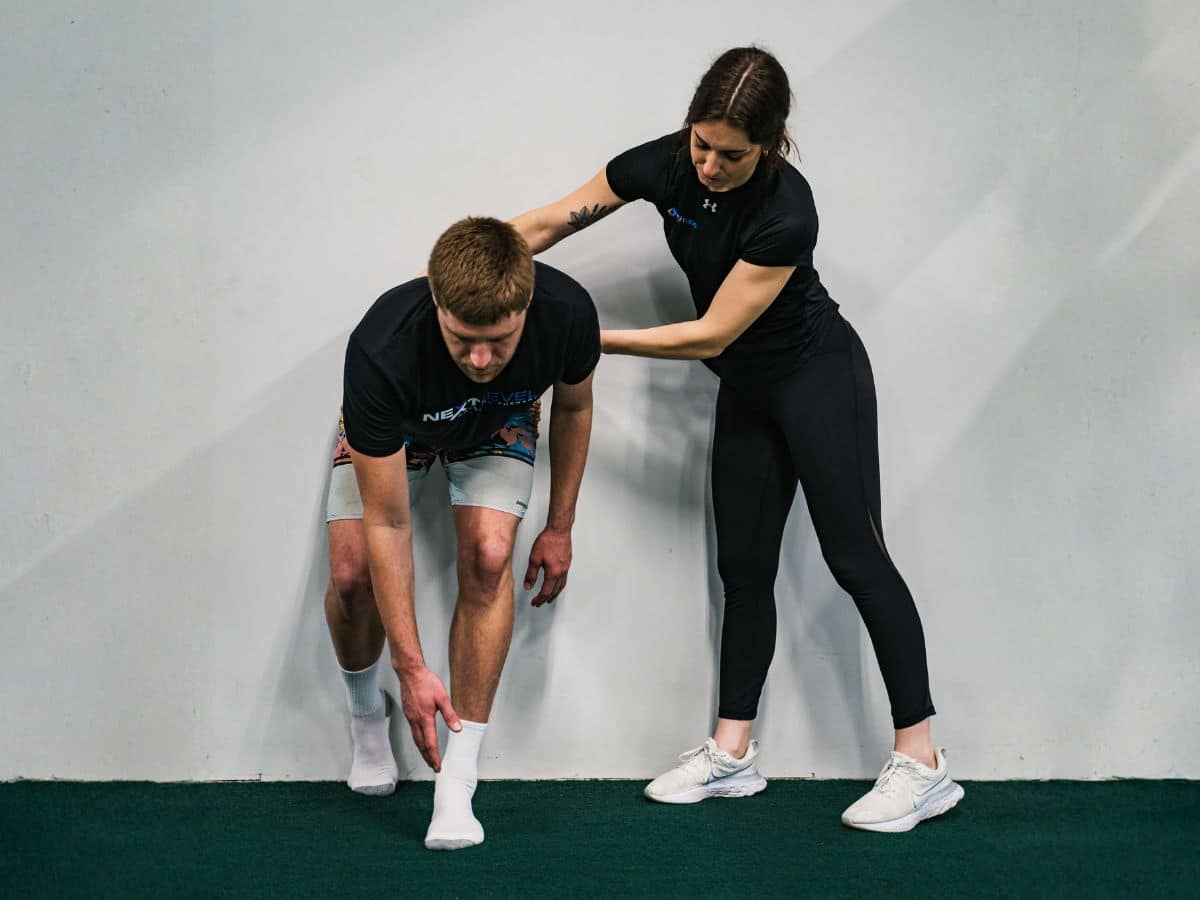
A physical therapist can help identify what may still be missing from your recovery.
That may include:
- Strength
- Mobility
- Movement control
- Load tolerance
- Training progression
- Workday habits
- Sport-specific preparation
The goal is to create a plan that helps you return to activity with confidence instead of repeating the same cycle.
When Back Pain Needs More Immediate Attention
Most back pain flare-ups are not emergencies, but some symptoms need prompt medical evaluation.
Seek medical attention if back pain is accompanied by:
- New bowel or bladder changes
- Loss of sensation in the groin or saddle area
- Progressive weakness in the legs
- Severe pain after major trauma
- Fever or unexplained illness
- Unexplained weight loss
- Severe pain that does not change with position or activity
These symptoms are less common, but they should not be ignored.
The Bottom Line on Why Back Pain Comes Back After You Start Feeling Better
If back pain comes back after feeling better, it does not necessarily mean you failed or reinjured yourself.
Often, pain improves before strength, mobility, movement control, and load tolerance are fully restored.
When activity increases faster than the body can adapt, symptoms can return.
That may happen because you:
- Returned to activity too quickly
- Stopped rehab when pain improved
- Did not rebuild enough strength
- Still have mobility limitations
- Are dealing with long periods of sitting or work-related stress
- Increased training load too quickly
- Focused only on the painful area instead of the whole movement system
The key is to think beyond short-term symptom relief.
Long-term recovery should prepare you for the activities you actually want to do.
That means rebuilding strength, progressing load gradually, improving mobility where needed, staying active, and developing confidence with movement.
Back Pain Keeps Returning?
At Next Level Physical Therapy, we help active adults understand why back pain keeps coming back and what may still be missing from recovery.
Our approach looks beyond the painful area to assess strength, mobility, movement, workload, and the activities you want to return to.
If your back feels better for a while but keeps flaring up when you get back to workouts, sports, work, or everyday activity, our team can help you build a more complete plan.


