What We Treat

Back pain
Knee pain
Hip pain
Shoulder pain
Foot and Ankle pain
Elbow pain
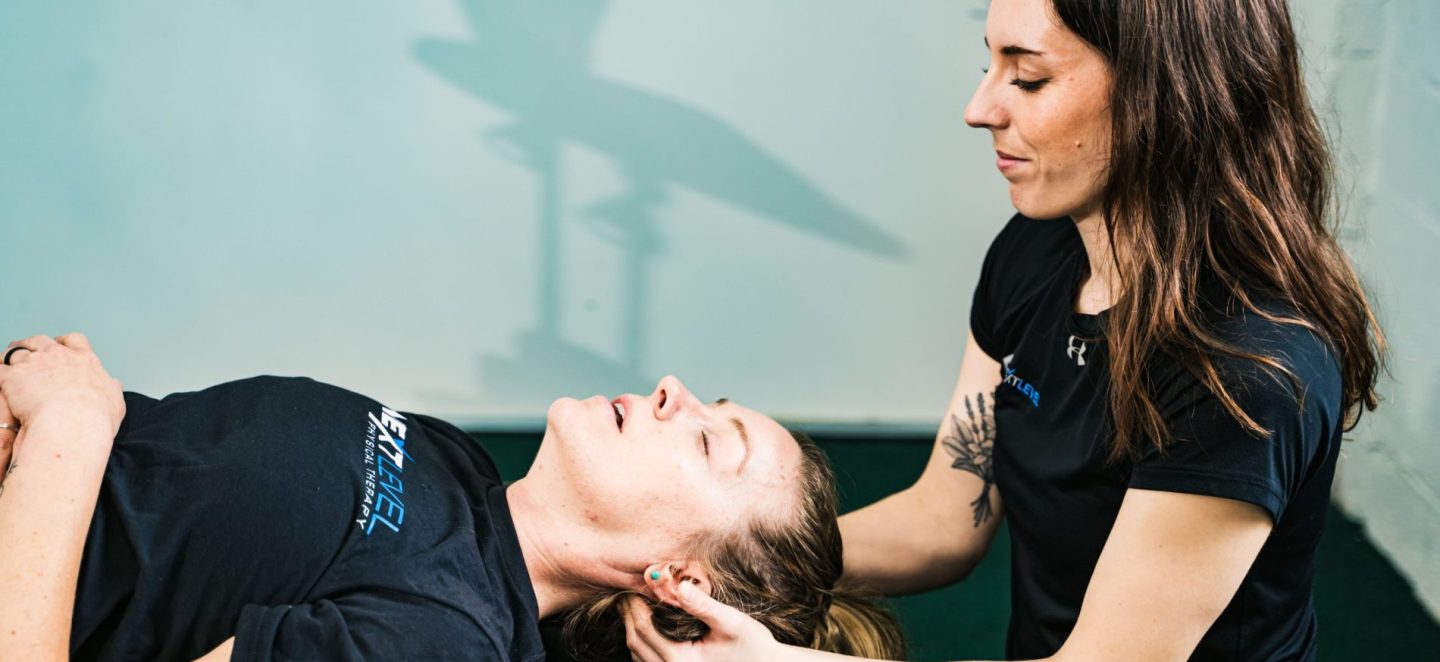
Head and Neck pain

Find out more about how we connect the dots from the deepest root & eliminate your pain from the source below!
What We Treat

Back pain
Knee pain
Hip pain
Shoulder pain
Foot and Ankle pain
Elbow pain
Head and Neck pain

Find out more about how we connect the dots from the deepest root & eliminate your pain from the source below!
What We Treat

Back pain
Knee pain
Hip pain
Shoulder pain
Foot and Ankle pain
Elbow pain
Head and Neck pain

Find out more about how we connect the dots from the deepest root & eliminate your pain from the source below!
What We Treat

Back pain
Knee pain
Hip pain
Shoulder pain
Foot and Ankle pain
Elbow pain
Head and Neck pain

Find out more about how we connect the dots from the deepest root & eliminate your pain from the source below!
What We Treat

Back pain
Knee pain
Hip pain
Shoulder pain
Foot and Ankle pain
Elbow pain
Head and Neck pain

Find out more about how we connect the dots from the deepest root & eliminate your pain from the source below!
What We Treat

Back pain
Knee pain
Hip pain
Shoulder pain
Foot and Ankle pain
Elbow pain
Head and Neck pain

Find out more about how we connect the dots from the deepest root & eliminate your pain from the source below!
What We Treat

Back pain
Knee pain
Hip pain
Shoulder pain
Foot and Ankle pain
Elbow pain
Head and Neck pain

Find out more about how we connect the dots from the deepest root & eliminate your pain from the source below!

The Only Way to
Long-Term Pain Relief

You’ve tried everything, but why hasn’t it worked? 

You may have experienced 1 or all of the following:

  • They told you to stretch because you had “tight muscles”
  • They gave you exercises because you had “weak muscles” 
  • You went and got adjusted because there was some “misalignment”
  • You received surgery because they found a “tear” 

These methods only give temporary relief because they are just fighting the symptoms and not connecting the dots from the deepest root. The body is too complex for such a basic approach. 

You need a specialized solution that will treat the body as a whole and get to the root cause of your pain. 

Conditions Treated

  • Biceps Tear
  • Broken/Fractured Bone
  • Bursitis
  • Golfer’s Elbow (Medial Epicondylitis)
  • Muscle Pulls & Strains
  • Post-Surgical Rehab
  • Pronator Syndrome
  • Tendinitis
  • Tennis Elbow (Lateral Epicondylitis)
  • Throwing Injuries
  • Tommy John
  • Ulnar Nerve Injuries
Pain-Free Secrets Guide 2.0
Our new guide dives deeper into the Next Level System, giving you clear, actionable strategies to eliminate pain, improve movement, and achieve lasting results.
Athlete's Guide
Unlock your full potential with our free guide for athletes. Learn how to move better, prevent injuries, and perform pain-free with the proven Next Level System.
End Back Pain Guide
Discover the proven steps to finally end back pain for good. This free guide reveals the root causes of pain and how to move, strengthen, and recover with confidence.
get rid of your elbow pain for good

Are you ready to get to the root cause of your elbow pain?

Take the first step into your pain-free life by clicking the button below.
`

BLOG

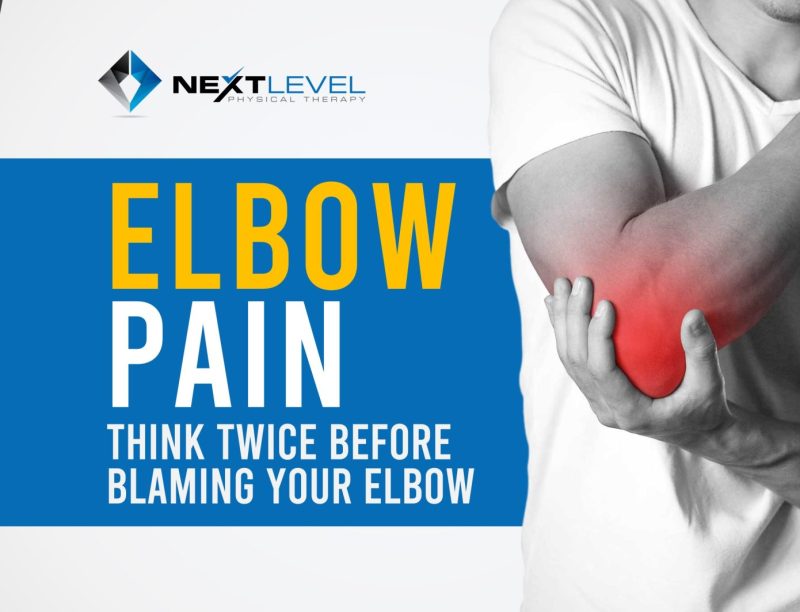
Elbow Pain? Think Twice Before Blaming Your Elbow
There is much more to elbow pain than blaming the sport you play or the equipment you use. If you have experienced elbow pain, you have likely heard terms like tennis elbow or golfer’s elbow. Despite being named after sports, neither condition has much to do with the sport itself. Yes, golfers and tennis players commonly experience elbow pain, but there is another major common factor these sports share that is far more relevant to elbow pain. That factor is often the key to finally resolving it. When searching for solutions, you will find no shortage of advice. Stretch your forearm. Perform isometrics. Strengthen your grip. Unfortunately, many of these recommendations miss the real issue and often fail to resolve the pain long term. Anatomy Overview Golfer’s elbow, also known as medial epicondylitis, refers to stress and pain in the wrist flexor tendons that attach to the inner portion of the elbow. Tennis elbow, or lateral epicondylitis, involves stress and pain in the wrist extensor tendons that attach to the outer elbow. While symptoms vary depending on which side of the elbow is affected, common aggravating activities include gripping, pushing or pulling, and throwing motions. A commonly referenced concept in physical therapy is the joint by joint theory. This theory suggests that joints throughout the body alternate between primarily requiring mobility and primarily requiring stability. For example, the wrist and hand need a high degree of mobility to perform daily tasks. The next joint up the chain, the elbow, is designed more for stability. The elbow is primarily a hinge joint, meaning it mainly moves through flexion and extension and has limited rotational capacity. When excessive motion occurs outside of this hinge function, problems tend to arise. This contrasts with the shoulder, which sits above the elbow and requires a large amount of mobility to function properly. This creates a challenging situation. The elbow, which is not built for large amounts of movement, sits between two highly mobile joints. When mobility is lost where it is needed most, the body compensates by finding motion somewhere else. Often, that compensation shows up in the joints closest to the restriction. A Shoulder Issue Masked as Elbow Pain  One of the most commonly missed components in resolving stubborn tennis or golfer’s elbow is shifting the focus away from the elbow itself and asking why the elbow is being overloaded in the first place. Frequently, limited shoulder motion in specific directions forces the elbow to make up for that lost movement. This results in increased stress and strain at the elbow joint and its surrounding tissues. A helpful example of this can be seen in baseball pitching mechanics. A pitcher who lacks adequate shoulder external rotation to reach the proper arm position during the throwing motion often compensates by creating excessive motion at the inner elbow. This results in a gapping force that places high stress on the wrist flexor tendons. Over time, this excessive load can lead to tendon irritation, tendonitis, or even damage to the ulnar collateral ligament that may require surgical intervention such as Tommy John surgery. In this scenario, the elbow is not the true problem. The lack of shoulder motion forces the body to find movement in the next available place, which happens to be the elbow. Addressing factors like forearm flexibility and tendon strength may provide temporary relief. However, those components are usually far more effective once the underlying shoulder mobility limitations have been identified and addressed. The next question then becomes how and why shoulder mobility was lost in the first place. To learn more, refer to our article on the missing piece in resolving shoulder pain.
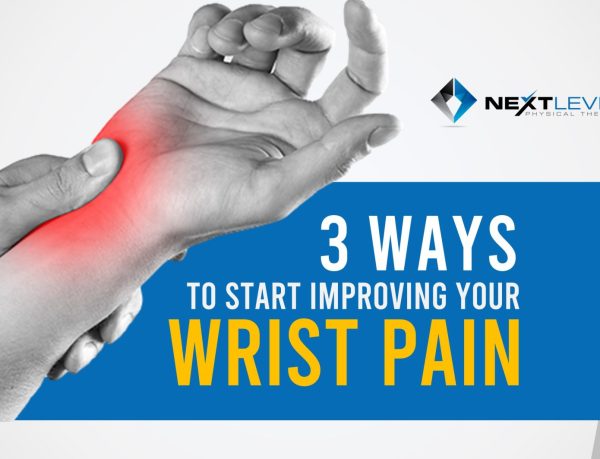
3 Ways To Start Improving Your Wrist Pain
Wrist pain, especially on the thumb side of the wrist, can range from a persistent nuisance to something truly limiting. For some people it is an annoyance, while for others it becomes debilitating and interferes with daily activities. You may have already tried stretching the muscles on the front of the wrist, icing the area, or even wearing a brace or splint. While these strategies can provide temporary relief, wrist pain often requires a more deliberate assessment to ensure you are addressing the right components at the right time. So where do you start? Use the simple screens below to begin understanding what movement options your wrist and hand currently have available. This helps prevent wasting time chasing the wrong issue. Understanding How Your Wrist Moves  Below are simple self exams you can use to get a clearer picture of how your wrist moves and which motions may be limited. [caption id="" align="aligncenter" width="1500"] Figure 1: Movements at the wrist. Source: https://www.crossfit.com/essentials/movement-about-joints-part-3-wrist.[/caption] The wrist is capable of flexion and extension, as well as radial deviation, which is movement toward the thumb side, and ulnar deviation, which is movement toward the pinky side. The wrist joint itself is formed by the connection between the carpal bones of the hand and the radius and ulna of the forearm. (Figure 2) [caption id="" align="aligncenter" width="1024"] Figure 2: Bony Anatomy of the Wrist and Hand. Source: https://www.assh.org/handcare/servlet/servlet.FileDownload?file=00P5b00000tFPX8EAO[/caption] Step 1: Assess Your Wrist Motion Take your wrist through each of the motions listed above. Pay attention to whether any movement reproduces discomfort near the radius. Also notice which motions feel limited compared to the others. In many cases, wrist pain near the radius is associated with limited wrist extension and limited radial deviation. To better understand why those limitations exist, it is important to consider the position of the hand relative to the wrist. This brings us to the Pistol Test. If you have a positive Pistol Test, your hand is positioned in more internal rotation relative to the radius. This biases the wrist toward flexion rather than extension. Many people with this presentation notice wrist pain when trying to extend the wrist, such as at the bottom of a pushup or during weight bearing positions through the hands. When the hand is internally rotated relative to the wrist, it is like starting wrist movement partway up the range instead of from neutral. Imagine the wrist as an elevator in a ten story building. Starting on the fourth floor and trying to go ten floors higher quickly leads to a hard stop. That same type of constraint can create a jam where the wrist meets the hand when end range extension is challenged. Instead of relying solely on icing or bracing to avoid painful positions, it is often more effective to address the movement limitations creating the problem. In other words, take the elevator back to the ground floor. Step 2: Restore Hand Position The first goal is to improve the ability of the hand to externally rotate relative to the wrist. Staggered stance curls are a useful exercise for this. Use a light weight and hook your thumb behind the dumbbell handle. This helps lock in external rotation of the hand while you perform the movement. [embed]https://youtu.be/N4WWxUmvcw8[/embed] Step 3: Rebuild Wrist Motion and Load Tolerance Once hand position improves, restoring wrist extension requires learning how to internally rotate the radius relative to a fixed hand. The low oblique sit with pronation is a helpful drill for this. This side plank variation uses a towel to keep the hand fixed while the forearm rotates. [embed]https://youtu.be/D7LhuuTcMD0[/embed] After you have recaptured hand position and learned to move the radius relative to the hand, it is time to challenge wrist position under load. Bear crawling is an effective progression at this stage. [embed]https://youtu.be/1HdyUZsZr_c[/embed] As you load one side, focus on feeling your weight shift from the outside of the hand toward the inside without losing contact along the outside edge of the hand. Start by understanding what motions your wrist can and cannot perform, then train the specific movement strategies needed to restore those motions. Giving your wrist more freedom to move is often the key step toward lasting wrist pain relief.
The Infamous Tommy John & Baseball
If you were to assess how great a pitcher in baseball truly is, you might find yourself looking at a lot of statistics, most notably ERA or earned run average. With the goal of striking out every batter who steps into the box, pitchers must not only possess elite skill and talent, but also the ability to generate an incredible amount of power. That power is repeated roughly one hundred times per game. Across sports, very few athletes are required to produce such high levels of force as frequently as baseball pitchers. When athletes specialize as pitchers at a young age and play across multiple teams each year, the volume of throwing and cumulative stress placed on the elbow and surrounding structures can take a serious toll. For a long time, this was believed to threaten a player’s future in the sport. These issues often begin as lower level conditions such as Little League Elbow, which is typically the result of inadequate rest between pitching outings, or acute bursitis, which involves inflammation of a localized fat pad. Over time, the elbow must repeatedly absorb tremendous force across seasons. This repetitive overhead throwing stresses the tendons and ligaments responsible for elbow stability and increases the risk of more serious injuries, including damage to the ulnar collateral ligament. As UCL injuries have become increasingly common in younger athletes over the past several years, organizations such as the American Sports Medicine Institute, USA Baseball, Little League Baseball, and Major League Baseball have implemented pitch count guidelines in an effort to protect developing players. Despite these efforts, higher level athletes continue to face significant risk. The Ulnar Collateral ligament (UCL) injury The ulnar collateral ligament is one of the most commonly injured ligaments in repetitive overhead and throwing athletes. To tolerate the high forces required to throw a baseball sixty feet, the ligament gradually stretches and elongates. Eventually, it may no longer be able to maintain the structural integrity of the elbow. Like most ligament injuries, UCL damage exists on a spectrum. Injuries can range from a mild sprain with inflammation to a complete tear that compromises elbow stability. UCL Symptoms Include:  Pain with throwing or inside of the elbow Instability  Decreased strength or power in throwing Increased sensitivity around the ulnar nerve “funny bone” causing numbness and tingling in the ring and pinky finger Diagnosis and Treatment A UCL injury is diagnosed based on a combination of clinical presentation, physical examination findings, and diagnostic imaging such as X-ray or MRI. The next steps depend on the severity of the injury, healing potential, inflammation levels, and response to rehabilitation. Further assessment by a physical therapist or athletic trainer is often necessary to determine whether throwing mechanics, body positioning, sequencing, or compensatory strategies are placing excessive stress on the elbow. In many cases, limitations in shoulder mobility prevent a pitcher from generating force efficiently. When this happens, the body looks for power elsewhere. That power often comes from the inside of the elbow. Normal pitching mechanics already place approximately 300 newtons, or about 67 pounds, of torque on the inside of the elbow. Now imagine how much additional stress accumulates when mechanics are inefficient and that load is repeated one hundred pitches per game over the course of an entire season. Tommy John and His Influence Named after former Los Angeles Dodgers pitcher Tommy John, this surgical procedure has dramatically changed the outlook for throwing athletes. Once considered a career ending injury, UCL reconstruction is now a well established option for athletes who fail conservative treatment. Tommy John surgery involves replacing the damaged UCL with a tendon graft, often taken from the forearm or hamstring. This is followed by an extensive rehabilitation process that progresses through multiple phases and typically lasts between six and twelve months. What was once viewed as the end of a pitching career is now often seen as a pathway back to competitive play. Today, UCL reconstruction is commonly performed and heavily emphasized in rehabilitation and sports medicine education. If you have questions about UCL injuries, Tommy John surgery, or elbow pain related to throwing, consult your primary care physician or visit Next Level Physical Therapy. We are always happy to discuss your concerns and help guide you in the right direction.
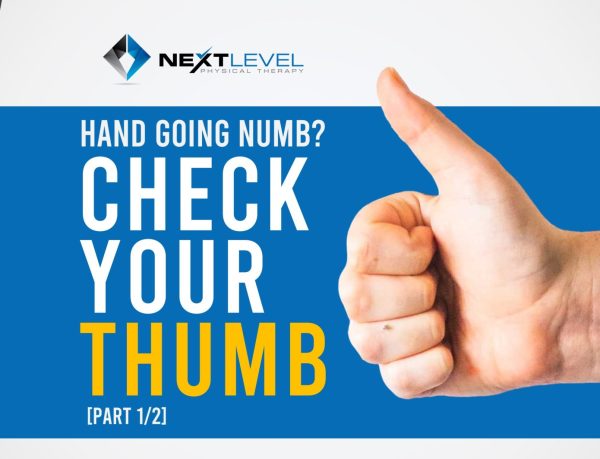
Hand Going Numb? Check Your Thumb – How the Relationship Between Your Hand and Wrist Movement Can Affect Your Carpal Tunnel Syndrome Symptoms (Part 1/2)
Carpal tunnel syndrome is a collection of symptoms that most commonly appear in the thumb, index finger, and middle finger on the palm side of the hand. The hallmark symptom is aching, tingling, or a loss of sensation in those three fingers specifically. These symptoms most often occur because the median nerve is experiencing prolonged compression as it passes into the hand through the carpal tunnel. The carpal tunnel is a narrow passageway formed by bones and connective tissue near the wrist that also contains several tendons and muscles, along with the median nerve. Because this space is small, even subtle changes in position or tissue behavior can increase pressure on the nerve. (Figure 1). [caption id="" align="aligncenter" width="600"] Figure 1: Anatomy of the carpal tunnel region and the median nerve. The nerve in the middle that runs to the thumb and middle finger is the median nerve. Source: https://qph.fs.quoracdn.net/main-qimg-2effc0be8c4ff02f065339aebda08596-c[/caption] The most common treatments I see recommended include prolonged static stretching of the muscles on the front of the wrist and forearm, active range of motion exercises for the wrist and hand in all directions, stretching of the thumb muscles, and tendon or nerve gliding activities. What all of these interventions have in common is their shared goal of reducing compression on the median nerve. Nerves thrive on movement, blood flow, and adequate space. The intent behind these treatments is sound, which is why the surgical option for severe cases involves cutting the connective tissue that runs across the carpal tunnel to create more room for the nerve. While there is nothing inherently wrong with these approaches, not all interventions produce the same effect. If the goal is to create space around the carpal tunnel, it is critical to consider the relationship between the position of the hand and the wrist. Many of the muscles and tendons that influence carpal tunnel pressure either cross through the tunnel or attach directly to the bones of the hand and wrist. Static stretching primarily increases a muscle’s tolerance to being lengthened. According to current research, it does very little to change how muscles or tendons behave or function in daily movement (PubMed ID# 28801950). In addition, applying prolonged tension to a nerve that is already compressed can be similar to stretching an already tight rubber band. Increasing tension does not reduce stress on the structure and may actually worsen symptoms. Rather than focusing solely on muscles that are labeled as tight, it is often more effective to focus on positioning the bones of the hand and wrist in a way that reduces tension on the nerve. This approach helps “unstretch” the rubber band and gives the median nerve more room to move freely. The image below shows an example of a thumb that is internally rotated relative to the wrist, highlighted in yellow. The blue arrow shows a thumb that is better able to externally rotate relative to the wrist. (Figure 2) [caption id="" align="aligncenter" width="960"] Figure 2: An example of differing thumb and wrist orientations. Source: https://i2.wp.com/plasticsurgerykey.com/wp-content/uploads/2020/06/10-1055-b-002-98003_c049_f001.jpg?w=960[/caption] Can you see how stretching the muscles of the yellow hand might produce a completely different result than stretching the blue hand? Applying the same solution to two different presentations does not lead to the same outcome. In the next part of this discussion, we will explore how to create a more effective strategy to improve space and movement around the median nerve. This approach may help reduce or eliminate carpal tunnel symptoms by addressing the specific presentation shown in the yellow hand.

Testimonials

See How We Created Massive Transformations For People Just Like You
Joanna C.
"Before Next Level, every time I felt pain, I would get scared... My only wish was to feel somewhat out of pain… and with Next Level, I achieved far more than that."
Shawn A.
"The one-on-one care is what sets this place apart. Next Level looked at the big picture—my movement, my measurements, the root cause... not only did the pain go away, but my hip and shoulder issues cleared up too."
Abby C. & Joe C.
“Coming here showed me how much was really out of alignment… and the difference was instant. I felt better right away.”

Reviews

Shraddha A.
Active Adult

I’m writing this review as I am waiting for my appointment. Dr. Ben and his team is absolutely fantastic. I went to them a year ago for my tennis elbow and unlike other physio clinics, they didn’t just do he spot treatment but also found out the root cause and fixed that. The methods/exercises are not the conventional ones, but if you do them diligently, they work flawlessly. I saw Dr. Ben for a period of 6 months and it’s been a year since and the tennis elbow hasn’t returned. FYI, I do weight training and in spite of lifting heavy weights, my injury didn’t return.
They work in unison with my gym, so I didn’t have to stop working out or change any of my active lifestyle. Now I am waiting to get my knees checked, and I wouldn’t go anywhere but to next level therapy.
Highly recommend it!

Gary W.
Active Adult / Tennis Player

Dr. Leor has helped me overcome tennis elbow as well as severe heel pain (plantar fasciitis) to allow me to enjoy playing tennis regularly and at a high level again. He is a pleasure to work with, gives you the right amount of motivation, and for someone like myself who likes to understand the “why” of how things work, takes time to explain things. He and his team of doctors regularly share techniques, its effectiveness, and results with each other which I find elevates the experience for everyone. I feel I could be in good hands with any one of them. Lastly, the staff is a joy to be around. I highly recommend Next Level PT.

Tyler B.

As a Division 1 baseball player who received Tommy John Surgery (UCL Reconstruction) in April 2021, proper recovery was extremely crucial. When I came home from school for the summer, I attended Next Level Physical Therapy and saw Dr. Benjamin Fan. I was referred to Dr. Fan through my surgeon Dr. Chris Ahmad and his assistant, who is the Head Team Physician for the New York Yankees. I could not have been happier to have been sent to Next Level and Dr. Fan. The staff at Next Level are all very kind, personable, and friendly. I enjoyed seeing Dr. Fan twice a week throughout the summer. I was put through an amazing workout every time, and learned a great deal of tips and tricks. Dr. Fan has a ton of knowledge, and I will be incorporating a lot of workouts I learned through him in my routines. I always found his workouts to be helpful, and I always left feeling good. Dr. Fan is easy and fun to talk to, and I am very grateful to have met him. I could not have been happier with my experiences at Next Level Physical Therapy.