

Dry needling is one of the most misunderstood tools in modern physical therapy. Some people assume it is acupuncture. Others think it is a temporary pain trick. Many are unsure what it actually does, why it works, or whether it is safe. At the same time, dry needling has become one of the most powerful techniques available for reducing pain, restoring movement, and accelerating recovery when used appropriately and in the right context.
This article is designed to be purely educational. We will break down what dry needling actually is, how it works inside the body, what types of pain and injuries it helps most, what the experience feels like, and when it may or may not be appropriate. The goal is to help you understand how dry needling fits into a thoughtful, movement-based approach to recovery rather than viewing it as a standalone fix.

What Is Dry Needling?
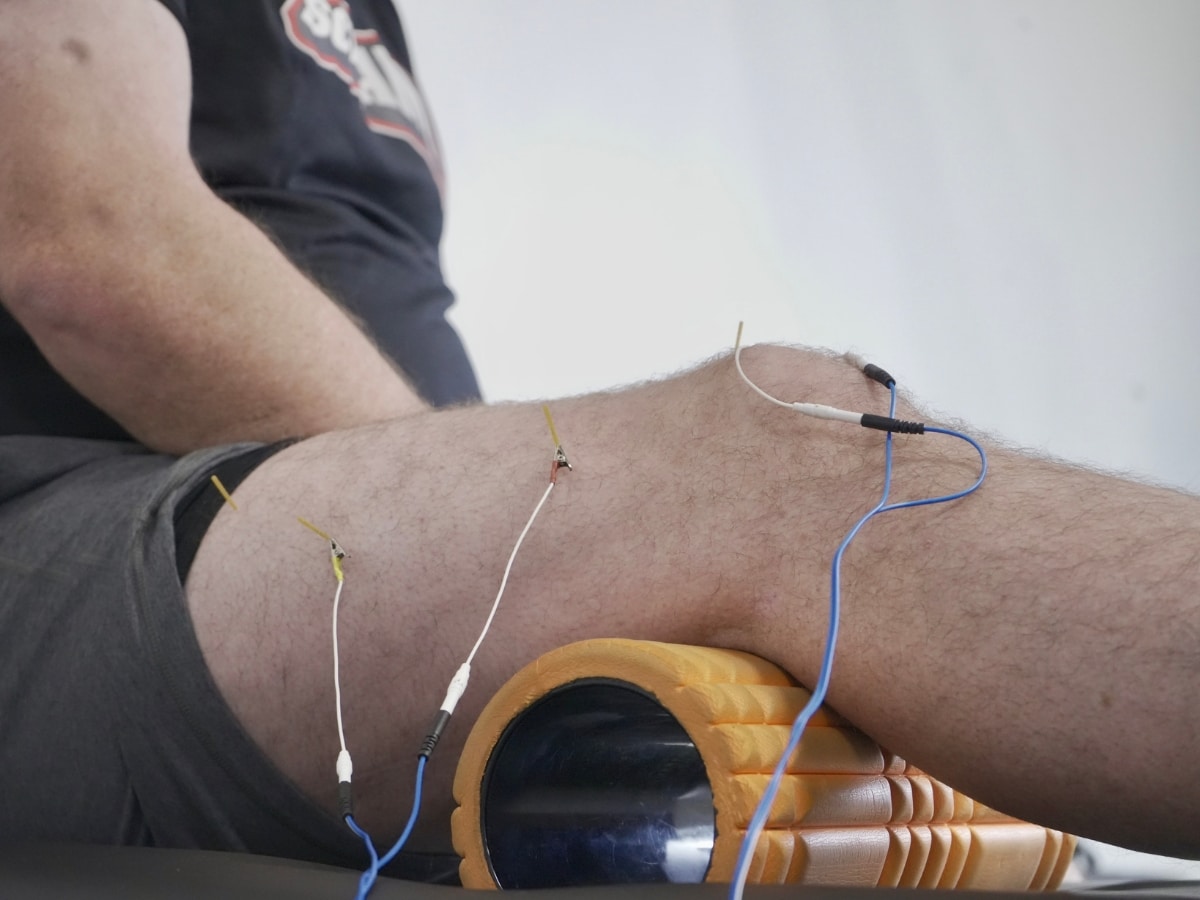
Dry needling is a technique that uses thin, solid filament needles to target specific areas of muscle, tendon, or connective tissue. These needles are the same type used in acupuncture, but the purpose and clinical reasoning behind dry needling are different.
In physical therapy, dry needling is most commonly used to address trigger points, muscle tension, and tissues that are not healing or functioning normally. The needle is inserted directly into the affected tissue to create a response that cannot be achieved through hands-on techniques alone.
One of the simplest ways to understand dry needling is to think of it as an internal reset tool. Rather than applying pressure from the outside, the needle allows a clinician to interact directly with the tissue that is contributing to pain or movement restriction.
Dry Needling vs Acupuncture
Because the same type of needles are used, dry needling is often confused with acupuncture. While there are superficial similarities, the two approaches are fundamentally different.
Acupuncture is rooted in traditional Chinese medicine and is based on concepts such as meridians and energy flow. Dry needling, on the other hand, is grounded in anatomy, physiology, and modern pain science.
Dry needling targets specific muscles, trigger points, tendons, or joints based on a physical examination and movement assessment. The goal is to influence tissue healing, muscle function, and pain processing through well-understood physiological mechanisms.
How Dry Needling Works for Pain Relief
To understand why dry needling can be so effective, it helps to understand what is happening inside painful or dysfunctional tissue.
Trigger Points and Muscle Dysfunction
Muscles contract and relax through a complex exchange of ions across their cell membranes. In healthy tissue, this process allows muscles to lengthen, shorten, and respond to load normally.
When a trigger point forms, this process becomes disrupted. The muscle fibers can become stuck in a contracted state, limiting blood flow and altering normal nerve signaling. This often results in tightness, pain, weakness, or referred symptoms elsewhere in the body.
External manual therapy can influence the nervous system and provide temporary relief, but it cannot directly access the deeper tissue changes occurring within the muscle itself.
Creating an Internal Reset
Dry needling works by inserting a needle directly into the affected tissue. This punctures the muscle membrane and disrupts the dysfunctional state, allowing normal ion exchange and muscle function to resume.
This process can elicit a local twitch response, which is a brief involuntary contraction of the muscle. While this sensation can feel unusual, it is often a sign that the needle has reached the appropriate area.
By creating this internal stimulus, dry needling allows the tissue to reset in a way that is not possible through surface-level techniques.
Stimulating Healing
In addition to resetting muscle function, dry needling creates a small amount of controlled microtrauma in the tissue. This microtrauma stimulates the body’s natural healing response.
In chronic pain conditions, healing can stall. The tissue remains irritated or dysfunctional without progressing through normal repair. Dry needling helps restart that process by signaling the body that healing is needed.
This mechanism is one of the reasons dry needling can be effective for tendon pain, chronic strains, and long-standing injuries.
What Types of Pain and Injuries Respond Best to Dry Needling?
Dry needling is versatile and can be applied to a wide range of conditions when used appropriately.
Muscle-Based Pain
Dry needling is particularly effective for pain driven by muscular trigger points. This includes:
- Neck and shoulder pain
- Low back pain
- Hip and glute pain
- Calf and foot tightness
- Forearm and elbow pain
In these cases, the goal is often to reduce excessive muscle tone, improve movement, and decrease referred pain.
Tendon Pain and Tendinopathy
Dry needling can also be used to stimulate healing in irritated or degenerative tendons. By inserting needles into or around the affected tendon, the clinician can encourage a localized healing response.
This approach is often used for conditions such as:
- Achilles tendon pain
- Patellar tendon pain
- High hamstring tendon pain
- Rotator cuff–related shoulder pain
Muscle Strains
For muscle strains, dry needling can help accelerate recovery by addressing both the injured tissue and the surrounding muscles that often become overactive in response to injury.
Hamstring strains are a common example where dry needling can be especially useful.
Referred Pain Patterns
Not all pain originates where it is felt. Trigger points can refer pain to other areas of the body.
For example, hip muscles can refer pain into the low back, gluteal muscles can refer pain down the leg, and shoulder muscles can refer pain into the arm or hand.
Dry needling allows clinicians to target the true source of the problem rather than only treating the area where pain is felt.
When Dry Needling May Not Be Appropriate
While dry needling is very safe when performed by trained clinicians, there are situations where caution or alternative approaches are warranted.
Medical Considerations
Individuals with bleeding disorders or those taking blood-thinning medications may require special consideration. Dry needling may still be appropriate in some cases, but the risks and benefits must be carefully weighed.
Specific Diagnoses
Certain conditions, such as complex regional pain syndrome or compartment syndromes, are not appropriate for dry needling.
High-Risk Areas
When needling near sensitive structures such as the lungs, clinicians must carefully consider risk versus reward. In some cases, alternative techniques may be more appropriate.
Immediately Post-Surgical Situations
Dry needling is typically avoided in the immediate post-operative period. This is not necessarily because it is unsafe, but because post-surgical tissues are already in an active healing phase and additional invasive techniques may not be appropriate at that stage.
What Does a Dry Needling Session Feel Like?
One of the biggest barriers to dry needling is fear of the unknown. Understanding what to expect can make the experience much more comfortable.
The Needles
The needles used in dry needling are extremely thin. They are nothing like needles used for injections or blood draws.
Most people feel only a brief tap as the needle passes through the skin.
Sensations During Treatment
As the needle reaches the target tissue, you may feel a deep ache, pressure, or twitch. This sensation typically lasts only a short time.
Once the needle is in place, most people report that they barely feel it.
Electrical Stimulation
In some cases, electrical stimulation is applied to the needles. This creates a gentle pulsing sensation that many people find relaxing and helpful.
This stimulation can enhance the reset and healing effects of dry needling.
What Happens After a Dry Needling Session?
Many people notice immediate changes after dry needling. Movement may feel easier, and pain levels may decrease right away.
Post-Treatment Soreness
It is common to experience mild soreness for one to two days after treatment, similar to how muscles feel after exercise.
This soreness typically resolves quickly and is often followed by noticeable improvement.
Short-Term vs Long-Term Results
Dry needling often produces fast changes, but lasting results depend on what happens next.
If dry needling is used in isolation without addressing movement patterns, strength deficits, or loading strategies, symptoms may return.
When combined with corrective exercise and movement retraining, dry needling can help create durable change.
Common Misconceptions About Dry Needling
“Dry Needling Fixes Everything”
Dry needling is powerful, but it is not a cure-all. It is best viewed as a reset that creates an opportunity for change.
“More Needling Is Always Better”
Over-reliance on dry needling can become a crutch. The goal is not to needle indefinitely but to address why the tissue became dysfunctional in the first place.
“It Only Works for Muscles”
While commonly associated with muscle pain, dry needling can also influence tendons, joints, and the nervous system when used appropriately.
How Dry Needling Fits Into a Bigger Recovery Picture
Dry needling is most effective when it is part of a comprehensive treatment plan.
By reducing pain, restoring movement, and stimulating healing, dry needling helps clear the road so that higher-level interventions can be more effective.
Once tissues are functioning more normally, addressing movement quality, posture, strength, and coordination becomes far more productive.
Interested in Dry Needling?
If you are dealing with persistent pain, muscle tightness, or an injury that is not responding to traditional approaches, dry needling may be a helpful part of your recovery.
At Next Level Physical Therapy, dry needling is used intentionally as part of a broader treatment philosophy focused on addressing the deepest root causes of pain. It is not used as a standalone fix, but as a tool to accelerate healing and improve movement so that long-term progress is possible.
To learn more about how dry needling is used within a comprehensive plan of care, you can explore our Dry Needling service for additional details.


