

Performance, durability, and long-term athletic development all rest on one critical factor that is often overlooked: how well an athlete moves. Strength, speed, power, and sport-specific skill matter, but they are built on a base that determines how efficiently and safely those qualities can be expressed. This is where the Functional Movement Screen plays an important role.
A Functional Movement Screen, often referred to as FMS, is not about testing how strong you are or how good you are at your sport. It is about identifying how well your body moves, how balanced your movement patterns are, and whether there are underlying limitations that may hold back performance or increase injury risk over time.
This article breaks down what a Functional Movement Screen is, what it evaluates, who it is for, and why it is such a valuable tool for athletes. The goal is education, helping athletes and active adults understand how foundational movement influences everything that comes after it.
What Is a Functional Movement Screen?
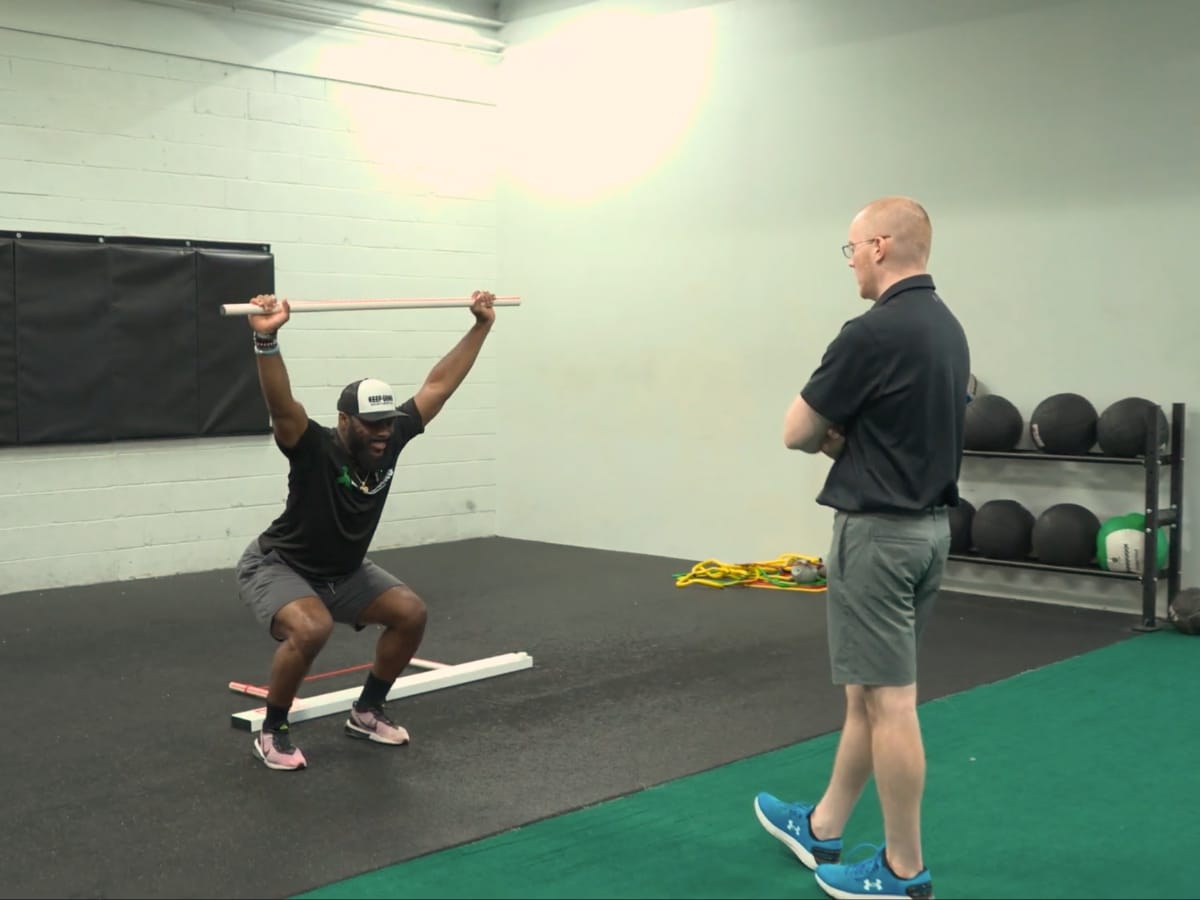
A Functional Movement Screen is a standardized system used to evaluate fundamental movement patterns. Rather than focusing on sport-specific skills, it assesses how the body moves through basic positions that are essential for athletic performance.
The core idea behind the Functional Movement Screen is simple: movement quality comes before performance output. If an athlete lacks mobility, stability, or coordination in fundamental patterns, those limitations will eventually show up as inefficient performance, recurring pain, or injury.
One of the defining characteristics of the Functional Movement Screen is that it is not sport-specific. It is often described as human-specific. Regardless of whether someone plays baseball, soccer, hockey, football, or simply trains recreationally, the same foundational movement principles apply.
The Performance Pyramid Explained
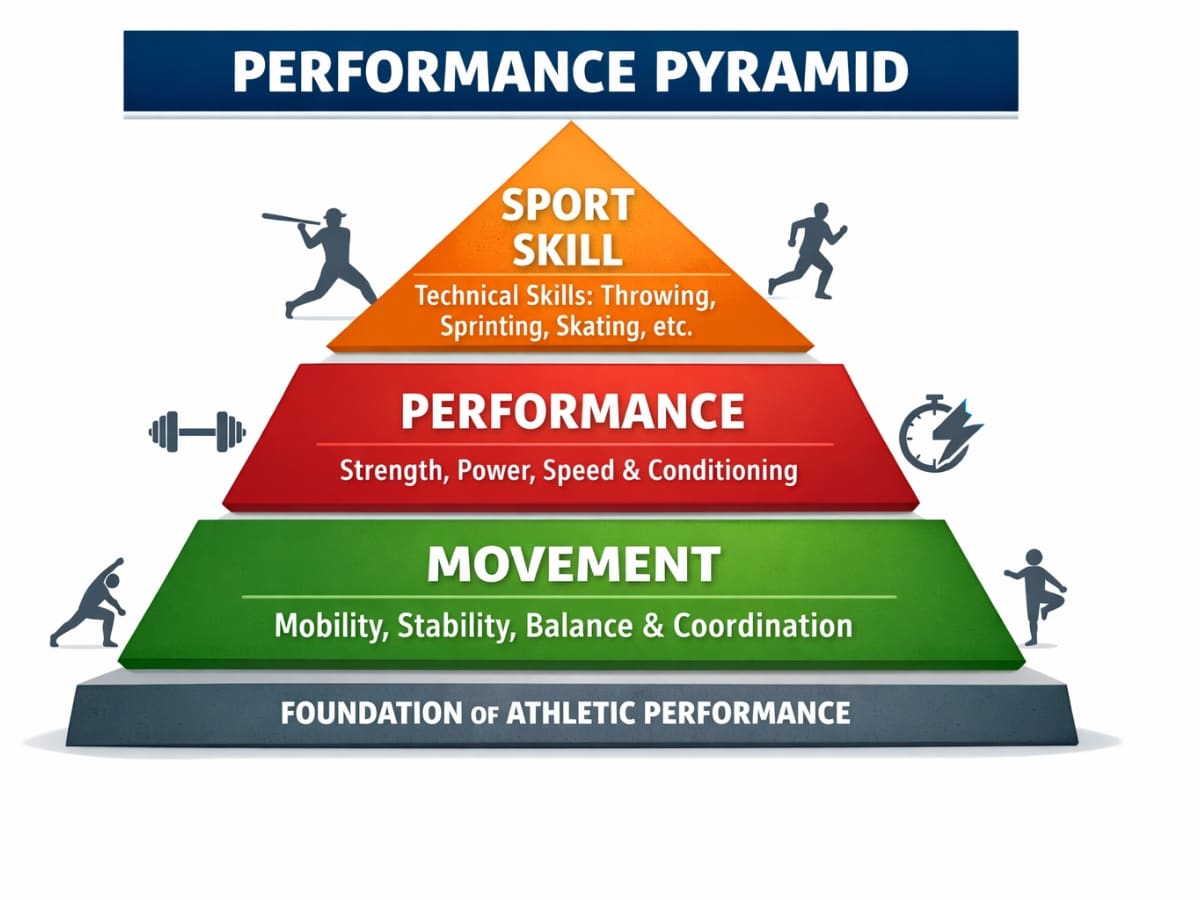
To understand why the Functional Movement Screen matters, it helps to understand the performance pyramid model that guides how athletes develop.
At the top of the pyramid is sport skill. This includes technical abilities like throwing, sprinting, cutting, skating, or swinging. These skills are highly specific and refined over time.
The middle layer of the pyramid is performance. This includes qualities like strength, power, speed, explosiveness, and conditioning. These are often the focus of training programs.
The base of the pyramid, however, is movement. This includes mobility, stability, balance, coordination, and the ability to move through fundamental patterns efficiently.
The Functional Movement Screen focuses on this base layer. When the foundation is broad and solid, athletes can stack performance and skill on top of it more effectively. When the foundation is narrow or unstable, progress becomes harder and injuries become more likely.
What Does a Functional Movement Screen Assess?
The Functional Movement Screen evaluates two broad areas: foundational movement patterns and baseline performance capacity. Together, these areas provide a clearer picture of how an athlete’s body is functioning as a system.
Foundational Movement Patterns
This portion of the screen looks at whether an athlete can move freely and symmetrically through basic positions. It evaluates:
- Joint mobility and available range of motion
- Stability through the trunk and extremities
- Coordination and control during multi-joint movements
- Side-to-side asymmetries
These patterns are not chosen at random. They reflect positions and movements that are repeatedly stressed in athletic activity. Limitations here often force the body to compensate elsewhere.
Baseline Performance Capacity
In addition to movement quality, a comprehensive screen evaluates how well an athlete produces and controls force. This includes several performance domains that are essential for sport.
Rather than chasing maximum outputs, the goal is to ensure balanced competence across these domains.
The Four Key Performance Domains
A well-rounded Functional Movement Screen looks at performance capacity across four primary domains. Each domain represents a different demand placed on the body during athletic activity.
Postural Control and Strength
This domain reflects an athlete’s ability to maintain posture and generate force relative to body weight. It is not about maximal strength but about foundational strength and control.
Deficits here can lead to compensations that affect movement quality and increase stress on joints and soft tissue.
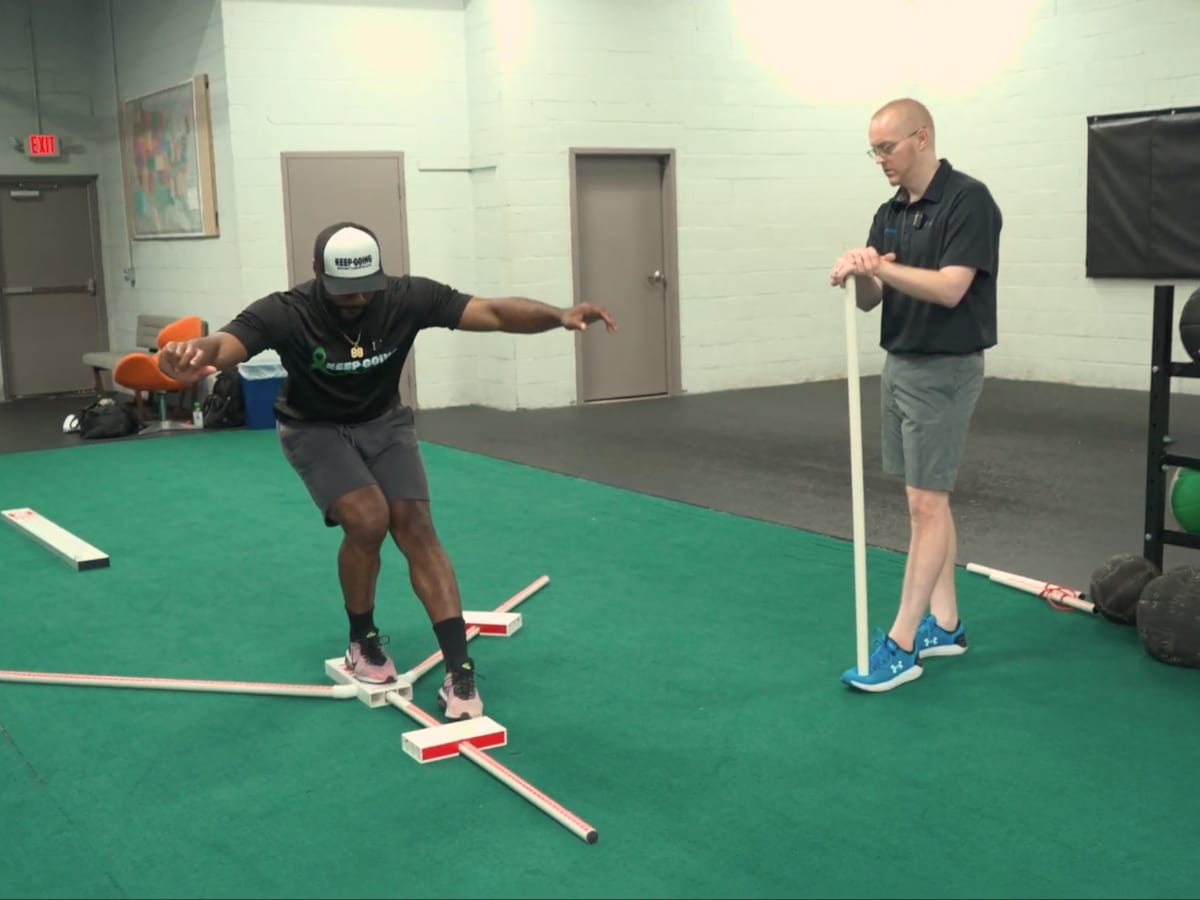
Movement Control
Movement control refers to how well an athlete can coordinate and stabilize their body during dynamic tasks. Balance, coordination, and control under changing conditions all fall into this category.
Poor movement control often shows up as inconsistent mechanics or difficulty maintaining form under fatigue.
Explosive Control
This domain relates to power and the ability to generate force quickly. Explosiveness matters in nearly every sport, but it must be supported by adequate movement quality and control.
When explosive ability outpaces foundational movement, injury risk tends to rise.
Impact Control
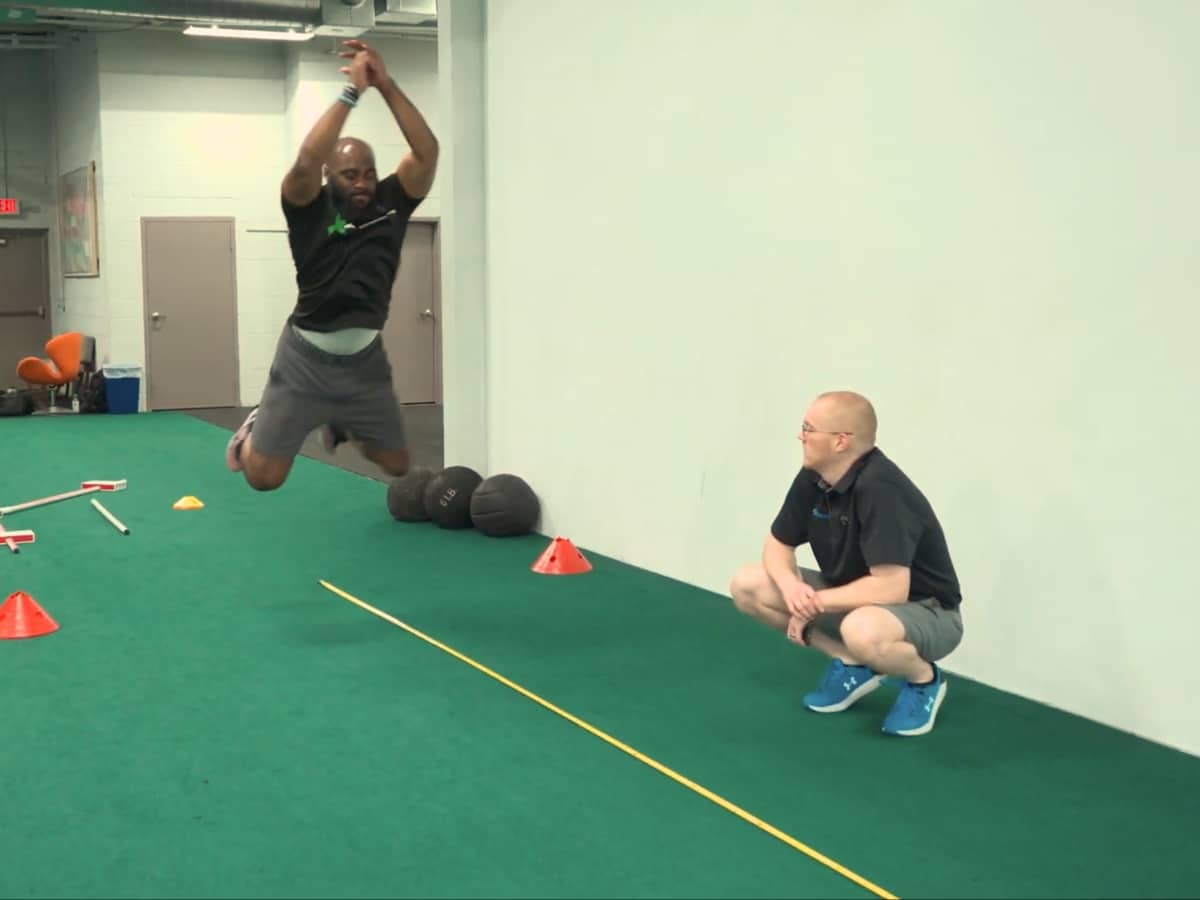
Impact control reflects an athlete’s ability to absorb force and redirect it efficiently. This is critical for activities like jumping, landing, cutting, and sprinting.
Inadequate impact control can lead to excessive stress on joints and connective tissue over time.
Who Is a Functional Movement Screen For?
The Functional Movement Screen is valuable for a wide range of athletes, not just those who are injured.
Athletes Focused on Performance Development
Many athletes seek a Functional Movement Screen because they want to improve performance efficiently. They may feel tight, restricted, or inconsistent but are not currently dealing with a major injury.
The screen helps identify movement limitations that may be holding back progress before they turn into pain.
Athletes Dealing With Chronic or Recurring Issues
Some athletes are not acutely injured but feel constantly beat up. They deal with nagging tightness, stiffness, or recurring minor injuries.
In these cases, the Functional Movement Screen can help uncover underlying movement patterns that repeatedly overload the same tissues.
Post-Surgical and Return-to-Sport Athletes
For athletes returning to sport after a significant injury or surgery, a Functional Movement Screen can be an important checkpoint. Even after completing rehab, subtle deficits may remain.
Identifying and addressing these gaps before full return to play can reduce re-injury risk and improve confidence.
What Athletes Miss Without a Functional Movement Screen
Without a structured movement assessment, training decisions are often based on assumptions or generalized programs.
Overemphasizing Sport-Specific Training
Many athletes jump straight to sport-specific drills and advanced training without addressing foundational movement limitations. While these programs may look impressive, they often fail to address the root issues.
Improving the foundation first often leads to better transfer to sport-specific performance.
Relying on Generic Mobility or Strength Programs
General mobility and strengthening routines can be helpful, but they may not target what an individual athlete actually needs.
The Functional Movement Screen helps narrow focus so training time is spent where it matters most.
Ignoring Asymmetries
Small side-to-side differences are common, but over time they can contribute to performance limitations and injury. A Functional Movement Screen helps bring these asymmetries to light.
What to Expect From a Comprehensive Functional Movement Screen
A thorough Functional Movement Screen is more than just running through a checklist of tests.
Initial Conversation and History
The process begins with understanding the athlete. Injury history, training background, goals, and current challenges all provide context for the assessment.
Standardized Testing
The movement and performance tests used in a Functional Movement Screen are standardized and research-informed. This allows for objective scoring and comparison to established norms.
Additional Movement Assessment
Range of motion and table-based assessments help clarify why certain movement patterns appear during the screen.
Clear Interpretation and Education
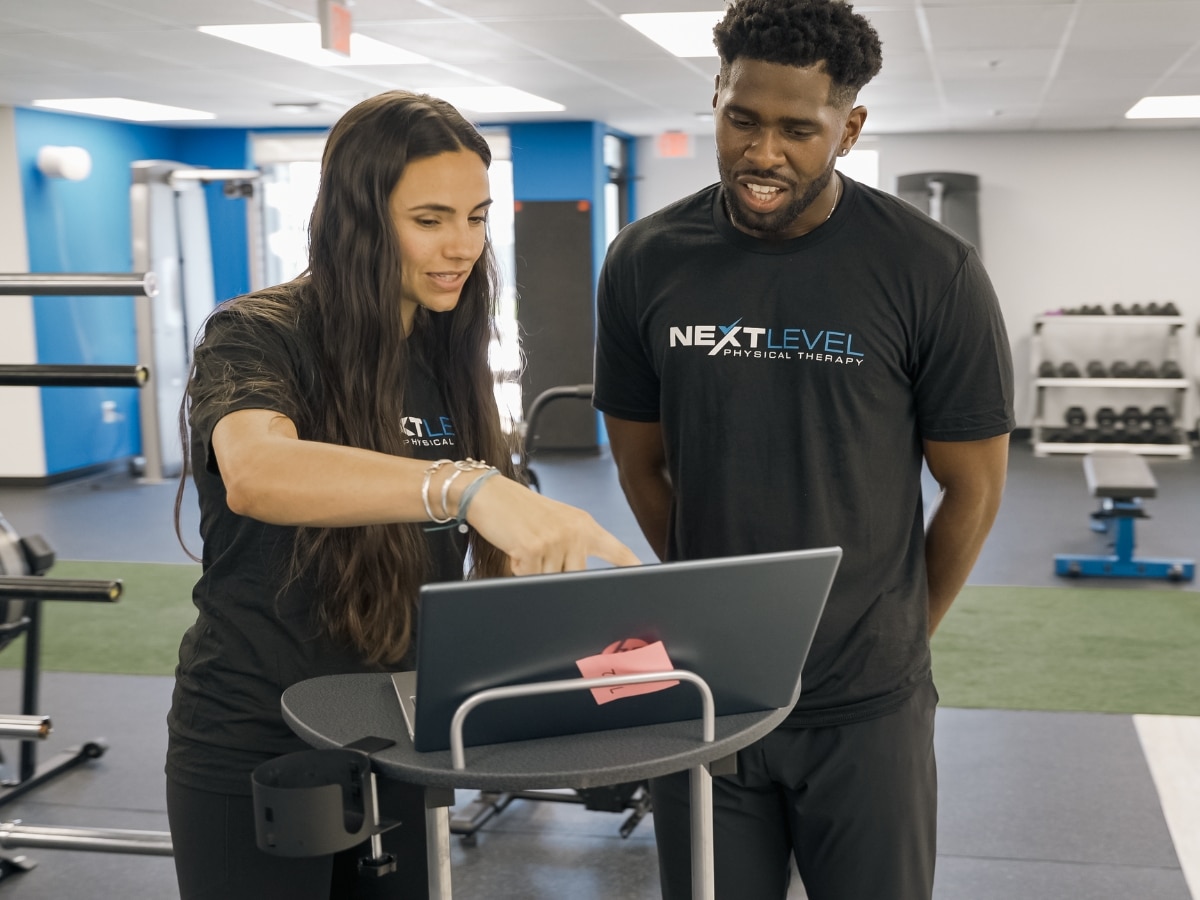
Perhaps the most valuable part of the process is understanding the results. Athletes should leave knowing not just what scored well or poorly, but why those results occurred and how they connect.
Why Strong Foundations Matter Long Term
A Functional Movement Screen is not about perfection. It is about identifying opportunities to move better, train smarter, and reduce unnecessary stress on the body.
For athletes, strong foundations support consistency. Consistency supports performance. Over time, this approach helps athletes stay healthier and progress more efficiently.
Understanding movement quality early can change how athletes approach training, recovery, and long-term development.
Interested in a Functional Movement Screen?
If you are an athlete looking to improve performance, reduce recurring injuries, or prepare for a safe return to sport, a Functional Movement Screen can provide valuable insight.
At Next Level Physical Therapy, our Functional Movement Screen is designed to evaluate both movement quality and baseline performance capacity. We use standardized, research-informed testing to identify foundational movement limitations and performance imbalances.
Rather than focusing on sport-specific drills right away, the process helps clarify where your foundation may need attention so training can be more focused and effective.
To learn more about how this assessment works and whether it is appropriate for your goals, you can explore our Functional Movement Screen service for additional details.


