October 14, 2026
Physical Therapy in Hilliard, OH: Next Level PT Is Coming Soon
Next Level Physical Therapy is coming to Hilliard, Ohio.
Our new physical therapy clinic will be located at 4555 Cemetery Rd, Hilliard, OH 43026, bringing Next Level’s movement-focused approach to physical therapy and rehabilitation to active adults, athletes, gym-goers, and families throughout Hilliard and the surrounding Columbus area.
We do not have an official opening date to announce yet, but we wanted to introduce ourselves early and give the Hilliard community a better idea of who we are, what we do, and what you can expect from Next Level Physical Therapy when our new location opens.
If you are searching for physical therapy in Hilliard OH because pain or injury is keeping you from working out, playing sports, staying active, recovering from surgery, or simply moving comfortably, our goal is to help you understand why the problem is happening and create a plan that gets you back to what matters.
Next Level Physical Therapy is built around more than temporary symptom relief. We look at strength, mobility, movement, and the demands of your real life to help you build lasting confidence in your body.
And unlike our existing clinic model, our upcoming Hilliard location will accept insurance, giving patients in the Hilliard and Columbus area another way to access the Next Level approach to care.
Physical Therapy in Hilliard, OH for Active Adults and Athletes
Physical therapy should help you get back to your life, not simply tell you what to stop doing.
For an active adult, that might mean returning to the gym without back pain. For an athlete, it may mean rebuilding the strength, power, and confidence needed to compete again. For a runner, it might mean gradually returning to mileage after a knee or Achilles injury. For someone recovering from surgery, it may mean rebuilding enough mobility and strength to get back to work, exercise, and everyday activity.
At Next Level Physical Therapy, we work with people who want to stay active.
That includes:
Athletes
Gym-goers
Weightlifters
Runners
Golfers
Recreational athletes
Active adults
People recovering from surgery
People dealing with recurring pain or injuries
Our new Hilliard physical therapy clinic will bring that same active approach to patients in Hilliard and the greater Columbus area.
Who Is Next Level Physical Therapy?
Next Level Physical Therapy was built around a simple idea: the place where you feel pain is not always the only place that needs attention.
The body works as a connected system.
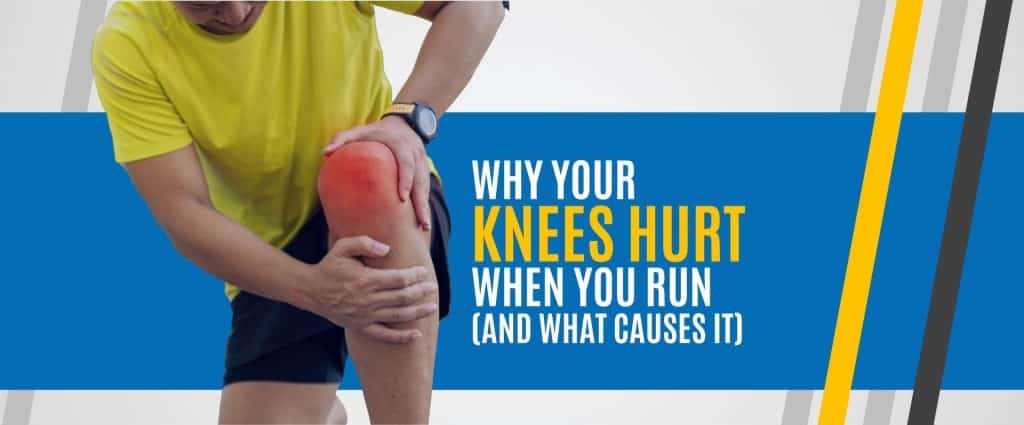
If your knee hurts when you run, the problem may involve more than the knee itself. Hip strength, ankle mobility, foot control, running mechanics, and training load can all influence how much stress reaches the knee.
If your shoulder hurts during bench press or overhead lifting, the shoulder blade, rotator cuff, rib cage, upper back, and training volume may all matter.
If your back keeps hurting every time you return to the gym, the answer may not be avoiding bending and lifting forever. It may involve rebuilding strength, improving movement options, and gradually increasing how much load your body can tolerate.
That bigger-picture approach is central to how we think about physical therapy.
We Look Beyond the Painful Area
Pain tells us where you feel the problem, but it does not always explain why the problem developed.
Our physical therapists look at how the body moves together.
Depending on your symptoms and goals, that may mean assessing:
Strength
Mobility
Balance
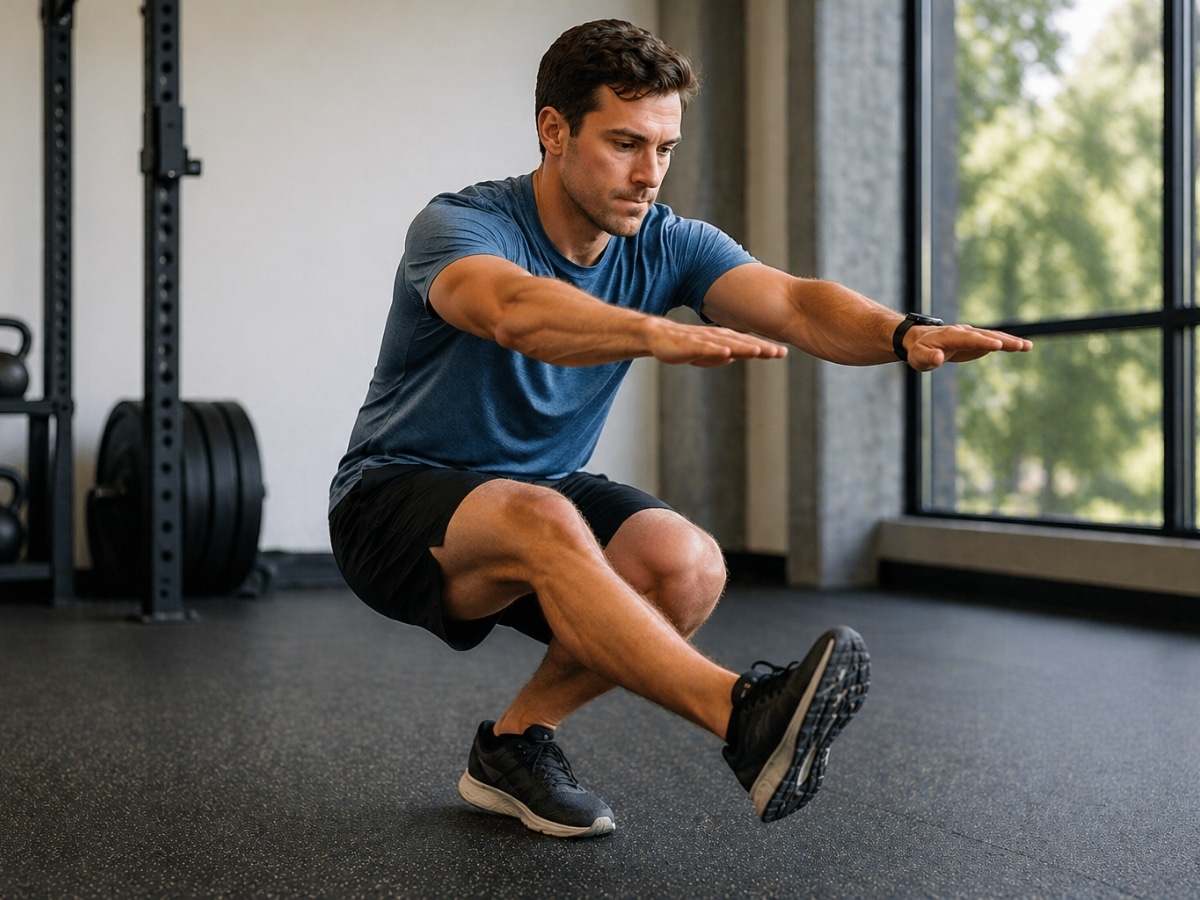
Single-leg control
Squatting and hinging
Shoulder and trunk movement
Walking or running mechanics
Sport-specific movements
Training habits and workload
The goal is to identify the factors that matter for you instead of giving every patient the same generic program.
We Focus on Getting You Back to What You Want to Do
The end goal of physical therapy should not simply be that something hurts less.
If you came in because you cannot squat, run, throw, golf, lift, or play a sport, rehab should eventually prepare you to do those things again.
That means progressing beyond basic exercises as your body improves.
Physical therapy may begin with restoring comfortable motion and reducing irritation, but it should eventually build toward strength, endurance, speed, power, and activity-specific demands when those qualities are relevant to your goals.
Who We Help at Next Level Physical Therapy
Our physical therapy approach is especially well suited for people who want to remain active instead of simply avoiding the activities that challenge them.
Active Adults
Active adults often find themselves caught between two extremes.
They may not consider themselves competitive athletes, but they also do far more than basic daily activity.
They lift weights, run, golf, hike, play pickleball, take fitness classes, travel, work demanding jobs, spend time with their families, and want to keep doing those things for years to come.
When pain gets in the way, the goal should be helping the body become capable enough to return to those activities.
Athletes
Athletes require rehabilitation that matches the demands of their sport.
Being pain-free while walking around the house does not automatically mean an athlete is prepared to sprint, cut, jump, throw, land, tackle, or compete.
Sports rehabilitation should bridge the gap between recovering from an injury and performing at game speed.
Gym-Goers and Weightlifters
People who strength train often need a different conversation around injury.
Instead of simply being told to stop squatting, deadlifting, bench pressing, or lifting overhead, rehab should explore why the movement is painful and how it can be rebuilt.
That may involve modifying the lift temporarily, addressing strength or mobility limitations, and gradually reintroducing load.
Runners
Running injuries often develop when training demands exceed what the body is currently prepared to tolerate.
Knee pain, shin splints, Achilles pain, plantar fasciitis, hip pain, hamstring symptoms, and other issues can all interfere with training.
Effective running rehab should look at strength, mobility, workload, impact tolerance, and running mechanics when appropriate.
Golfers
Golf requires more mobility, strength, and rotational control than it may appear from the outside.
Limitations in the hips, trunk, shoulders, or rib cage can affect how force moves through the body during the swing.
Golf-related back, hip, shoulder, elbow, and wrist pain may benefit from a rehab plan that connects movement to the demands of the sport.
Post-Surgical Patients
Physical therapy is often an important part of recovery after orthopedic surgery.
Post-surgical rehab may begin with protecting healing tissue and restoring motion, then progress into strength, balance, loaded movement, and eventually the activities the patient wants to return to.
The goal should be more than simply reaching the end of a protocol. It should be restoring meaningful function.
What We Treat at Our Hilliard Physical Therapy Clinic
People seek physical therapy for many different types of pain and injuries.
At Next Level, our approach focuses on understanding how the painful area fits into the larger movement system.
Back Pain
Back pain can interfere with work, sleep, lifting, running, sports, travel, and everyday activity.
Some people experience sharp pain. Others deal with stiffness, recurring aches, or symptoms that return every time they increase activity.
Physical therapy can help assess strength, mobility, movement, and load tolerance so you can gradually return to the activities that currently bother your back.
Knee Pain
Knee pain may show up during running, squatting, stairs, sports, lunges, or even prolonged sitting.
The knee often needs to be assessed alongside the hips, ankles, feet, and overall lower-body strength.
The goal is to build enough capacity for the knee to tolerate the activities you want to perform.
Hip Pain
Hip pain may occur in the front of the hip, groin, side of the hip, or glute region.
It may become noticeable during squats, running, golf, prolonged sitting, lunges, or other activities.
Physical therapy can help determine how hip mobility, strength, trunk control, and activity demands may be contributing.
Shoulder Pain
Shoulder pain can affect reaching, pressing, pulling, throwing, swimming, lifting, and sleep.
Rehab may involve the rotator cuff, shoulder blade, upper back, rib cage, trunk, and progressive return to loaded shoulder movements.
Neck Pain
Neck pain is common among people who work at desks, drive frequently, lift, train, or experience stiffness during daily activity.
A physical therapy assessment may look at the neck as well as the shoulders, upper back, rib cage, and movement habits.
Ankle and Foot Pain
Ankle sprains, Achilles pain, plantar fasciitis, foot pain, and other lower-leg issues can interfere with walking, running, sports, and exercise.
Rehab may involve mobility, calf strength, foot control, balance, and gradual return to impact.
Elbow and Wrist Pain
Elbow and wrist pain can affect lifting, gripping, racket and paddle sports, throwing, and everyday tasks.
Rehab often includes progressive strengthening and gradually restoring tolerance for the movements that trigger symptoms.
Sports and Training Injuries
Sports injuries may happen suddenly or build over time.
The rehab process should account for what the person needs to return to, whether that involves running, jumping, lifting, throwing, cutting, golf, pickleball, or another activity.
Services Coming to Next Level Physical Therapy in Hilliard
Our Hilliard clinic will offer physical therapy services designed to help patients recover from injury, rebuild strength, and return to activity.
Physical Therapy
Physical therapy can help people dealing with pain, injuries, mobility limitations, weakness, and difficulty returning to normal activity.
Care should be based on the individual rather than a one-size-fits-all exercise sheet.
Your plan may include mobility work, strength training, balance, movement retraining, education, and progressive return to activity depending on what you need.
Sports Rehabilitation
Sports rehabilitation is built around preparing athletes for the demands of their sport.
That may involve:
Strength
Power
Balance
Jumping and landing
Acceleration
Deceleration
Cutting and changing direction
Sport-specific movement
Return-to-play progression
The specific plan should reflect the athlete, the injury, and the sport they want to return to.
Post-Surgical Rehabilitation
After surgery, the body needs time to heal, but it also needs progressive movement and strengthening.
Post-surgical physical therapy can help guide the transition from early recovery into strength, movement, and eventually return to work, training, sport, and everyday life.
Functional Movement Screen
A Functional Movement Screen can help identify movement limitations and asymmetries that may influence how someone trains or performs.
For athletes and active adults, movement screening can provide another way to better understand how the body handles different positions and tasks.
A Different Access Model for Our Hilliard, Ohio Location
Our Hilliard clinic will operate with a different payment and intake model than our existing locations.
The new Hilliard, Ohio location will accept insurance.
We are still finalizing the details around the clinic’s opening and patient intake process, so additional information about accepted insurance plans, scheduling, and how to get started will be shared as we get closer to opening.
If you are looking for an insurance-based physical therapy option in Hilliard, we encourage you to check back for updates as we prepare to open.
What Makes Next Level Physical Therapy Different?
There are many places to receive physical therapy.
Our goal is to provide a different kind of experience for people who want to remain active.
We Want to Understand Why the Problem Is Happening
Reducing pain is important.
But if symptoms repeatedly return every time you go back to the same activity, there may be more to address.
We look at factors such as strength, mobility, movement, training load, and the specific activities that trigger symptoms.
We Use Active Rehabilitation
Passive treatments can sometimes help reduce symptoms temporarily, but long-term progress often requires the body to become stronger and more capable.
That is why exercise and progressive loading are important parts of the rehabilitation process.
Your Goals Shape the Plan
A runner with knee pain should not receive the exact same end-stage plan as a golfer, weightlifter, or soccer player with knee pain.
The diagnosis matters, but so does what you want your body to do.
We Progress Beyond Basic Rehab
Low-level exercises can be useful early in recovery.
But if your goal is to return to demanding activity, rehab should eventually become more demanding too.
That may mean progressing into heavier strength work, faster movement, single-leg tasks, running, jumping, throwing, or sport-specific drills depending on the person.
Physical Therapy for Hilliard’s Active Community
Hilliard is home to athletes, gym-goers, runners, recreational sports participants, and active adults who want to stay moving.
That matters when choosing physical therapy.
If you enjoy strength training, running, golf, pickleball, recreational sports, fitness classes, or other forms of exercise, you probably do not want pain to permanently remove those activities from your life.
Rehab should help you find a path back.
That may involve temporarily modifying activity while symptoms are highly irritated, but the long-term goal should be rebuilding the physical capacity needed to participate again.
Physical Therapy for Pickleball Players
Pickleball involves quick starts and stops, lateral movement, lunges, reaching, rotation, and repeated games.
Common problems can include shoulder pain, elbow pain, knee pain, ankle sprains, Achilles irritation, calf strains, and foot pain.
Rehab should prepare players for court movement, not just basic daily activity.
Physical Therapy for Golfers
Golf requires rotation through the hips and trunk, balance, mobility, and the ability to produce and control force.
When certain areas cannot contribute effectively, the back, hips, shoulders, elbows, or wrists may take on extra stress.
Physical therapy can help golfers understand movement limitations and build the strength and mobility needed for the swing.
Physical Therapy for Runners
Running repeatedly loads the body thousands of times over the course of a workout.
Running injuries may involve the knees, hips, shins, Achilles, feet, hamstrings, or back.
Rehab can help rebuild strength and impact tolerance while gradually returning the runner to training.
Sports Physical Therapy in Hilliard, OH
For athletes searching for sports physical therapy in Hilliard OH, the rehabilitation process should prepare you for more than walking and basic exercise.
Sports require the ability to react, accelerate, decelerate, change direction, generate power, and control the body under fatigue.
Depending on the sport, sports rehabilitation may need to include:
Sprinting
Cutting
Jumping and landing
Single-leg strength
Throwing
Rotational power
Agility
Conditioning
Sport-specific drills
Return to sport should be a progression.
An athlete may no longer have pain but still need to rebuild strength, power, confidence, and conditioning before returning to full competition.
That gap is where sports rehabilitation becomes especially important.
Physical Therapy for Gym-Goers and Weightlifters in Hilliard
Gym-related pain is another area where treatment should match the person’s goals.
Weightlifters and gym-goers may deal with:
Back pain during squats or deadlifts
Shoulder pain during bench press
Shoulder pain with overhead pressing
Knee pain during squats or lunges
Hip pain during deep squatting
Elbow pain during curls or pulling
Muscle strains
Tendon pain
The answer should not automatically be to stop lifting.
Sometimes an exercise needs to be modified temporarily. Load may need to decrease. Range of motion may need to change. Strength or mobility deficits may need to be addressed.
Then the movement can be gradually rebuilt.
For people who value strength training, returning to the gym should be part of the rehabilitation goal.
Physical Therapy for Active Adults in Hilliard
You do not need to compete in a sport to want high-level physical therapy.
Active adults have physical goals too.
You may want to:
Keep working out
Play recreational sports
Golf
Run
Hike
Travel
Keep up with your family
Stay strong as you get older
Move without constantly worrying about pain
Those goals require strength, mobility, balance, and confidence.
Physical therapy for active adults in Hilliard Ohio should help build those qualities rather than simply focusing on short-term symptom relief.
What to Expect When Next Level PT Opens in Hilliard
Although the final details of our Hilliard intake process are still being completed, our approach to physical therapy will remain centered around understanding you and your goals.
A physical therapy evaluation may include:
A Conversation About Your Pain and Goals
We want to understand when symptoms started, what makes them better or worse, what you have already tried, and what activities you want to return to.
Movement Assessment
Depending on the issue, your therapist may evaluate movements such as:
Walking
Squatting
Hinging
Lunging
Stepping
Balancing
Reaching overhead
Rotating
Running
Sport-specific movement
Strength and Mobility Testing
Testing helps identify areas that may be contributing to your symptoms or limiting your ability to perform.
An Individualized Plan
Once we understand what is happening, the goal is to build a plan that connects your current abilities with where you want to go.
That plan should progress as you improve.
Where Will Next Level Physical Therapy Be Located in Hilliard?
Our new Hilliard physical therapy clinic will be located at:
Next Level Physical Therapy
4555 Cemetery Rd
Hilliard, OH 43026
The location will allow us to serve patients from Hilliard as well as nearby communities throughout the western Columbus and Franklin County area.
That may include patients coming from areas such as:
Hilliard
Western Columbus
Dublin
Upper Arlington
Galloway
Nearby Franklin County communities
If you live, work, train, or play sports in or around Hilliard, our goal is to provide a nearby physical therapy option built around getting you back to the activities you care about.
Why Choosing the Right Physical Therapy Clinic Matters
Physical therapy is not simply a collection of exercises.
The right plan should help you understand what is happening, what your body currently needs, and how to progress toward your goals.
That becomes especially important when you are active.
If you want to return to running, lifting, sport, or other physically demanding activities, your rehab should eventually expose you to those demands.
A runner needs to tolerate impact.
A weightlifter needs to tolerate load.
A field or court athlete needs to tolerate speed and changes of direction.
A golfer needs rotation and control.
An active adult needs enough strength and mobility to handle both exercise and everyday life.
Different goals require different rehabilitation plans.
Do You Need to Wait Until You Are Injured to See a Physical Therapist?
No.
Physical therapy is often associated with major injuries or surgery, but many people seek care because something simply is not improving.
You may benefit from physical therapy if:
Pain keeps returning
You are modifying workouts because something hurts
You feel weaker or less mobile than before
You have stopped an activity you enjoy
You are unsure how to return after an injury
You are recovering after surgery
Your symptoms improve with rest but return with activity
You feel stuck despite trying stretches or exercises on your own
You do not need to wait until pain becomes severe before getting help.
Coming Soon: Next Level Physical Therapy in Hilliard, Ohio
We are excited to bring Next Level Physical Therapy to Hilliard and introduce our approach to a new community.
Our new clinic at 4555 Cemetery Rd, Hilliard, OH 43026 will provide physical therapy for active adults, athletes, gym-goers, runners, weightlifters, post-surgical patients, and people who want to move better and stay active.
The Hilliard location will also accept insurance. More information about accepted plans, scheduling, the patient intake process, and our official opening date will be shared as those details are finalized.
For now, we invite you to get to know Next Level Physical Therapy and our approach to helping people move better, recover from injury, and return to what they love.
Learn More About Next Level Physical Therapy
If you are searching for physical therapy in Hilliard OH, sports physical therapy in Hilliard, or a physical therapist who understands the goals of active adults and athletes, Next Level Physical Therapy is coming soon.
We will continue sharing updates as we get closer to opening our Hilliard clinic.
In the meantime, you can learn more about who we are, what we treat, and our approach to physical therapy on the Next Level Physical Therapy website.
Learn more about Next Level Physical Therapy here.
Read More