August 26, 2026
What to Wear to Physical Therapy: First Visit FAQ
Knowing what to wear to physical therapy can make your first appointment feel a lot less stressful.
Most people know they are coming to PT for pain, an injury, surgery recovery, mobility limitations, or help returning to activity. But many are not sure what they should wear, what shoes to bring, or whether they will be exercising during the first visit.
The simple answer is this: wear comfortable clothing that lets you move and allows your physical therapist to assess the area being treated.
Physical therapy is movement-based. Your therapist may need to watch you walk, squat, bend, reach, lift your arm, climb stairs, balance on one leg, or perform light exercise. They may also need to see or access the area that hurts, especially if you are being treated for your shoulder, back, hip, knee, ankle, foot, or a post-surgical condition.
That does not mean you need to buy anything special.
In most cases, athletic clothing, comfortable layers, and sneakers are enough. The best outfit depends on the body part being treated, the type of appointment, and your goals.
In this first visit FAQ, we will break down what to wear to physical therapy, what shoes are best, what to avoid, what to bring, and how to dress based on the area being treated.
Quick Answer: What Should You Wear to Physical Therapy?
For most physical therapy appointments, wear comfortable athletic clothing that allows you to move freely.
Good options include:
A T-shirt, tank top, or loose athletic shirt
Shorts, joggers, leggings, or athletic pants
Supportive sneakers
Layers if you are coming from work or the weather is cold
Clothing that gives access to the area being treated
If you are wondering what should I wear to my first physical therapy appointment, think about what you would wear for a light workout or movement assessment.
You do not need to dress like you are going to an intense gym session, but you should be able to move comfortably. Your clothing should not restrict bending, squatting, walking, reaching, or stretching.
If you are coming from work or school, bringing a change of clothes is usually a good idea.
Why Clothing Matters at Physical Therapy
Clothing matters because physical therapy is not only a conversation.
Your therapist will likely ask questions about your symptoms, history, goals, and what makes your pain better or worse. But they will also need to see how your body moves.
That may include assessing:
Posture
Walking mechanics
Range of motion
Strength
Swelling
Joint position
Balance
Squat, hinge, step-up, or lunge mechanics
Shoulder reach or overhead movement
Running, lifting, or sport-specific movement when relevant
If your clothing is too tight, too stiff, or too restrictive, it can make the assessment harder.
For example, jeans may limit hip or knee motion. A bulky sweatshirt may make it difficult to assess shoulder blade movement. Dress shoes may change how you walk or squat. A long skirt or dress may make lower-body movement testing uncomfortable.
The goal is not fashion. The goal is access and movement.
What to Wear Based on the Area Being Treated
The best clothing for physical therapy depends on why you are coming in.
Here are common recommendations based on the body area being treated.
What to Wear for Shoulder Physical Therapy
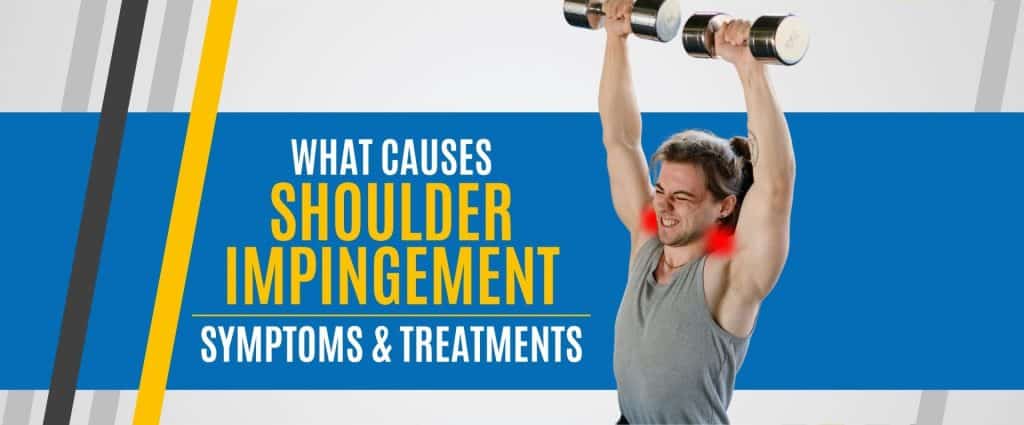
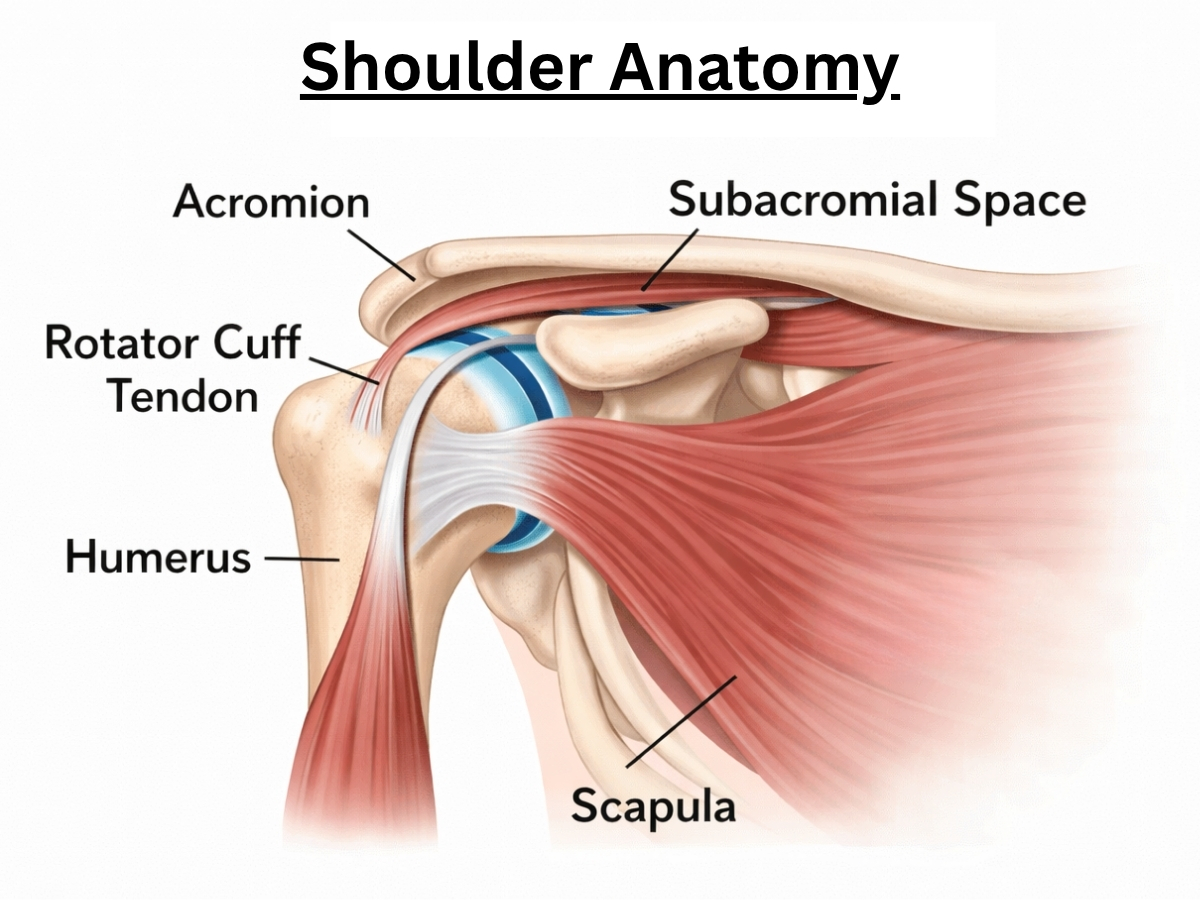
If you are coming to physical therapy for shoulder pain, rotator cuff issues, labral symptoms, shoulder impingement, post-surgical shoulder rehab, or pain with lifting or reaching, wear something that allows your therapist to see and assess your shoulder movement.
Good options include:
Tank top
Loose T-shirt
Athletic shirt with sleeves that move easily
Sports bra or supportive top if comfortable
Avoid bulky sweatshirts, tight jackets, or stiff button-down shirts if possible.
Your therapist may need to assess how your shoulder blade moves, how your arm raises overhead, how your shoulder rotates, and how your neck, upper back, and rib cage contribute to movement.
What to Wear for Neck Physical Therapy
For neck pain, headaches, upper trap tension, or pain that travels into the shoulder, wear a shirt that allows easy access to the neck and upper back.
Good options include:
T-shirt
Tank top
Loose athletic top
Avoid high collars, bulky hoodies, heavy necklaces, or clothing that restricts neck movement.
Your therapist may assess neck range of motion, shoulder movement, upper-back mobility, posture, and how the neck responds to different positions.
What to Wear for Back Pain Physical Therapy
If you are coming in for lower back pain, sciatica, stiffness, lifting-related pain, or pain with sitting or standing, wear clothing that lets you bend, twist, squat, and move comfortably.
Good options include:
Athletic shorts
Joggers
Leggings
Loose athletic pants
Comfortable T-shirt
Sneakers
Your therapist may assess how you bend, squat, hinge, walk, rotate, breathe, and move through the hips and spine.
Jeans or stiff pants can make this harder because they may restrict hip and spine motion.
What to Wear for Hip Physical Therapy
For hip pain, hip impingement, groin pain, glute pain, or pain with running, lifting, squatting, or golf, wear clothing that lets the therapist see and assess hip movement.
Good options include:
Athletic shorts
Leggings
Joggers that are not too tight
Flexible athletic pants
Shorts are often helpful because they make it easier to assess hip position, leg movement, and squat or lunge mechanics.
Your therapist may look at hip range of motion, strength, walking, single-leg control, squatting, lunging, or sport-specific movements.
What to Wear for Knee Physical Therapy
If you are coming for knee pain, ACL rehab, meniscus injury, patellofemoral pain, post-surgical knee rehab, or pain with running or squatting, shorts are usually best.
Good options include:
Athletic shorts
Loose shorts
Leggings that can roll above the knee if needed
Athletic pants that allow full knee motion
Your therapist may need to see swelling, knee position, quad activation, kneecap movement, surgical incisions, or how your knee moves during squats, step-downs, walking, or jumping.
Shorts make knee assessment and exercise much easier.
What to Wear for Ankle or Foot Physical Therapy
For ankle sprains, foot pain, plantar fasciitis, Achilles pain, shin splints, or running-related injuries, wear clothing that allows your lower leg, ankle, and foot to be assessed.
Good options include:
Shorts
Joggers that can roll up
Leggings that can move above the ankle
Sneakers
Your usual running or training shoes if relevant
Your therapist may assess ankle mobility, calf strength, walking, balance, foot position, running mechanics, or how you squat and step.
If you use orthotics, inserts, braces, or specific running shoes, bring them with you.
What to Wear for Post-Surgical Physical Therapy
If you are coming after surgery, access to the surgical area is important.
Wear clothing that allows your therapist to assess swelling, range of motion, incisions when appropriate, and movement quality.
Good options depend on the surgery:
Shoulder surgery: tank top or loose shirt
Knee surgery: shorts
Hip surgery: loose shorts or flexible pants
Ankle or foot surgery: shorts or pants that roll up easily
You should also bring any post-op instructions, brace, sling, boot, or paperwork from your surgeon if you have it.
What to Wear for Sports Injury Rehab
If you are coming for a sports injury, dress in a way that allows your therapist to assess the movements that matter for your sport.
For example:
Runners should bring running shoes.
Lifters may want training shoes or flat shoes.
Field athletes may need sneakers or turf shoes depending on the facility.
Baseball or overhead athletes should wear clothing that allows shoulder and trunk movement.
Golfers may want shoes and clothing they can rotate in comfortably.
Your therapist may assess sport-specific movements such as running, cutting, jumping, throwing, squatting, hinging, swinging, or landing.
If you wear a brace, sleeve, orthotic, or sport-specific support, bring it with you.
What Shoes Should You Wear to Physical Therapy?
For most appointments, sneakers or athletic shoes are the best choice.
Physical therapy often includes walking, balance work, squats, step-ups, strengthening, or movement testing. Supportive shoes make these activities safer and more comfortable.
Good shoe options include:
Sneakers
Training shoes
Running shoes
Walking shoes
Sport-specific shoes when relevant
If you are being seen for running pain, bring the shoes you normally run in. If you rotate between multiple running shoes, bring the pair you use most often or the pair you think may be connected to symptoms.
If you are being seen for lifting-related pain, bring the shoes you usually lift in.
If you are being seen for foot, ankle, knee, hip, or running issues, your shoes may provide helpful information about your movement, activity, and training habits.
What Shoes Should You Avoid?
Try to avoid shoes that limit movement or make exercise difficult.
Less ideal options include:
Sandals
Flip-flops
Heels
Dress shoes
Heavy boots
Loose slip-ons
Shoes that are uncomfortable to walk or exercise in
If you are coming straight from work and have to wear dress shoes, bring sneakers in a bag if possible.
What Not to Wear to Physical Therapy
You do not need to dress perfectly for PT, but some clothing can make the visit harder.
When possible, avoid:
Tight jeans
Restrictive pants
Dresses or skirts without shorts underneath
Bulky sweatshirts during shoulder or neck treatment
Heavy boots
Heels
Stiff work clothes
Clothing that hides the area being assessed
Jewelry that gets in the way of movement
The issue is not that these clothes are never allowed. It is that they may make assessment and exercise more difficult.
If you have no other option, your therapist can usually work around it. But bringing a change of clothes can make the session more productive.
Should You Bring Extra Clothes?
Bringing extra clothes can be helpful, especially if you are coming from work, school, or another appointment.
You may want to bring:
Shorts
A T-shirt
A tank top
Sneakers
Running shoes
Sport-specific shoes
A change of socks
Hair tie if needed
Brace, sleeve, sling, boot, or orthotics if relevant
For lower-body injuries, shorts are often the most useful extra item. For shoulder injuries, a tank top or loose shirt can make assessment easier.
Will You Exercise During Your First PT Visit?
Many people do some exercise or movement during the first physical therapy visit, but the exact session depends on the person.
Your first visit may include:
A conversation about symptoms and goals
Movement assessment
Range of motion testing
Strength testing
Hands-on assessment when appropriate
Exercise instruction
Education about what may be contributing to symptoms
A plan for next steps
You may not have a full workout during the first visit, but you should be prepared to move.
That is why comfortable clothing and sneakers are helpful.
FAQ: What to Wear to Physical Therapy
Can I Wear Jeans to Physical Therapy?
You can wear jeans if you have no other option, but they are usually not ideal.
Jeans can restrict movement and make it harder to assess the hips, knees, lower back, or ankles. If you are coming in for a lower-body issue, back pain, or anything that may involve squatting, bending, walking, or exercise, athletic clothing is a better choice.
If you are coming straight from work, bring shorts or athletic pants to change into.
Do I Need to Wear Shorts to PT?
You do not always need to wear shorts, but they are helpful for knee, hip, ankle, foot, running, and post-surgical lower-body visits.
Shorts make it easier for your therapist to see joint movement, swelling, muscle activation, and how your leg moves during exercises.
If you prefer not to wear shorts, flexible pants or leggings that can roll up may work.
What Should I Wear for Shoulder Physical Therapy?
For shoulder physical therapy, wear a tank top, loose T-shirt, or athletic shirt that lets your shoulder and arm move freely.
Your therapist may need to assess shoulder range of motion, shoulder blade movement, overhead reach, and strength. Bulky or restrictive clothing can make that harder.
What Should I Wear for Knee Physical Therapy?
Shorts are usually best for knee physical therapy.
Your therapist may need to see the knee, assess swelling, check range of motion, look at surgical incisions if relevant, and watch how the knee moves during squats, step-downs, stairs, walking, or jumping.
What Should I Wear for Back Pain Physical Therapy?
For back pain physical therapy, wear clothing that lets you bend, squat, twist, walk, and move comfortably.
Athletic shorts, joggers, leggings, or flexible pants are good options. Avoid tight jeans or stiff work pants if possible.
What Should I Wear for Hip Physical Therapy?
For hip physical therapy, wear shorts, leggings, joggers, or athletic pants that allow full hip movement.
Your therapist may assess squatting, lunging, walking, single-leg balance, hip mobility, and strength. Clothing should not restrict those movements.
What Shoes Should I Wear to Physical Therapy?
Sneakers or athletic shoes are usually best.
If you are being seen for running pain, bring your running shoes. If you are being seen for lifting, bring the shoes you normally train in. If you use orthotics or inserts, bring those too.
Should I Bring My Brace, Sling, Boot, or Orthotics?
Yes, bring any brace, sling, boot, sleeve, orthotics, inserts, or assistive device you are currently using.
Your therapist may want to see how you use it, whether it fits properly, and how it affects your movement.
Should I Bring Post-Op Paperwork?
If you recently had surgery, bring any paperwork or instructions from your surgeon.
This may include precautions, protocols, weight-bearing instructions, range of motion limits, or post-op timelines.
This information helps your therapist build a plan that matches your stage of healing.
What If I Am Coming Straight From Work?
If you are coming from work, bring a change of clothes if possible.
A simple change of sneakers, shorts, leggings, joggers, or a T-shirt can make the session easier. If you cannot change, let your therapist know. They can usually modify the session, but comfortable clothes are ideal.
What Should Athletes Bring to PT?
Athletes should bring anything relevant to their sport or symptoms.
This may include:
Running shoes
Cleats or turf shoes if appropriate
Lifting shoes
Braces or supports
Training plan
Recent workout notes
Information about practice, game, or competition schedule
If your pain happens during a specific movement, your therapist may want to assess that pattern or build toward it over time.
Do I Need to Dress Differently for Dry Needling or Hands-On Treatment?
If your appointment may include hands-on treatment or dry needling, access to the treatment area is helpful.
For example, shorts may be useful for hip, knee, calf, or ankle treatment. A tank top or loose shirt may be useful for shoulder, neck, or upper-back treatment.
If you are unsure, choose clothing that is comfortable and easy to adjust while still making you feel covered and comfortable.
Can I Change Clothes at the Clinic?
Many clinics have space where patients can change, but this can vary.
If you are unsure, bring a change of clothes and ask the front desk or your therapist when you arrive.
Simple Checklist: What to Bring to Physical Therapy
Along with wearing the right clothes, it may help to bring a few key items to your appointment.
Comfortable athletic clothing
Sneakers or sport-specific shoes
Shorts if you have a knee, hip, ankle, foot, or running issue
Loose shirt or tank top for shoulder or neck issues
Brace, sling, boot, orthotics, or inserts if you use them
Post-surgical paperwork if applicable
List of medications if needed
Relevant imaging reports if you have them
Questions you want to ask your therapist
You do not need to overprepare. But the right clothing and shoes can make your visit smoother and more useful.
The Bottom Line on What to Wear to Physical Therapy
What you wear to physical therapy should help you move comfortably and allow your therapist to assess the area being treated.
For most appointments, athletic clothing and sneakers are the best choice.
If you are being seen for a lower-body issue, shorts are usually helpful. If you are being seen for shoulder or neck pain, a tank top or loose shirt can make assessment easier. If you are coming from work, bringing a change of clothes is a good idea.
The goal is simple: wear something that lets you bend, walk, squat, reach, stretch, and exercise without restriction.
If you are unsure, choose comfortable workout-style clothing and bring an extra layer or change of clothes just in case.
Getting Ready for Your First Physical Therapy Visit?
At Next Level Physical Therapy, we help active adults and athletes understand what is causing their pain and what steps are needed to move better, recover fully, and return to the activities that matter most.
Your first visit is built around learning about your symptoms, assessing how your body moves, and creating a plan that matches your goals.
Wearing comfortable clothing and supportive shoes helps us make that visit as productive as possible.
Learn more about our Physical Therapy services here.
Read More